Maxillary sinus bone graft for dental Implants

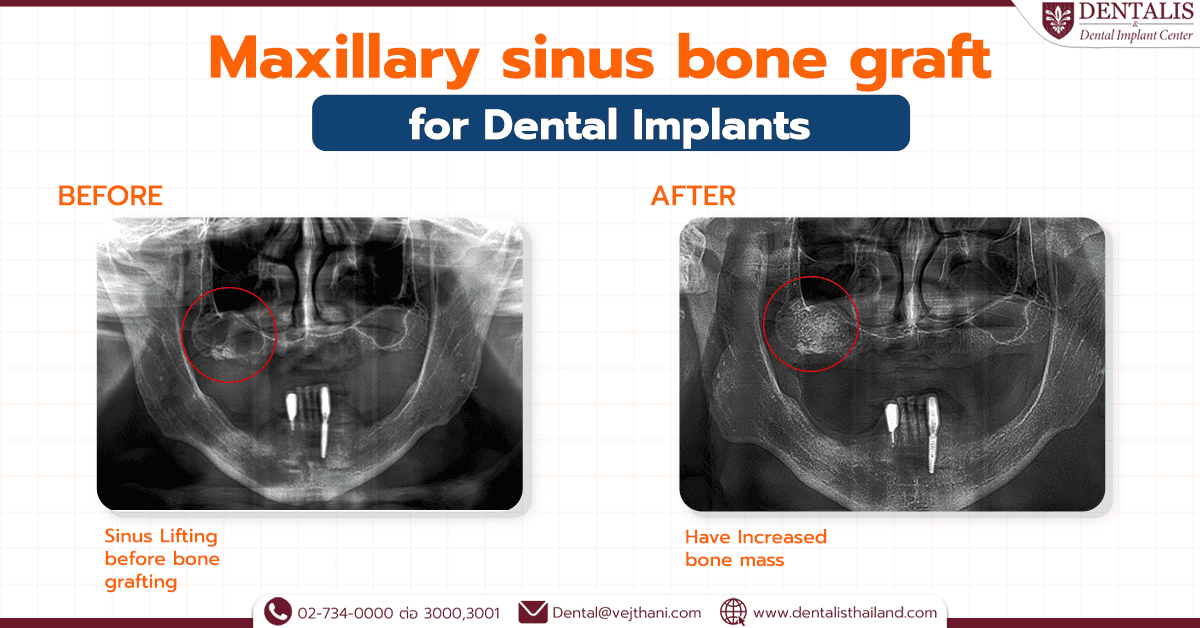
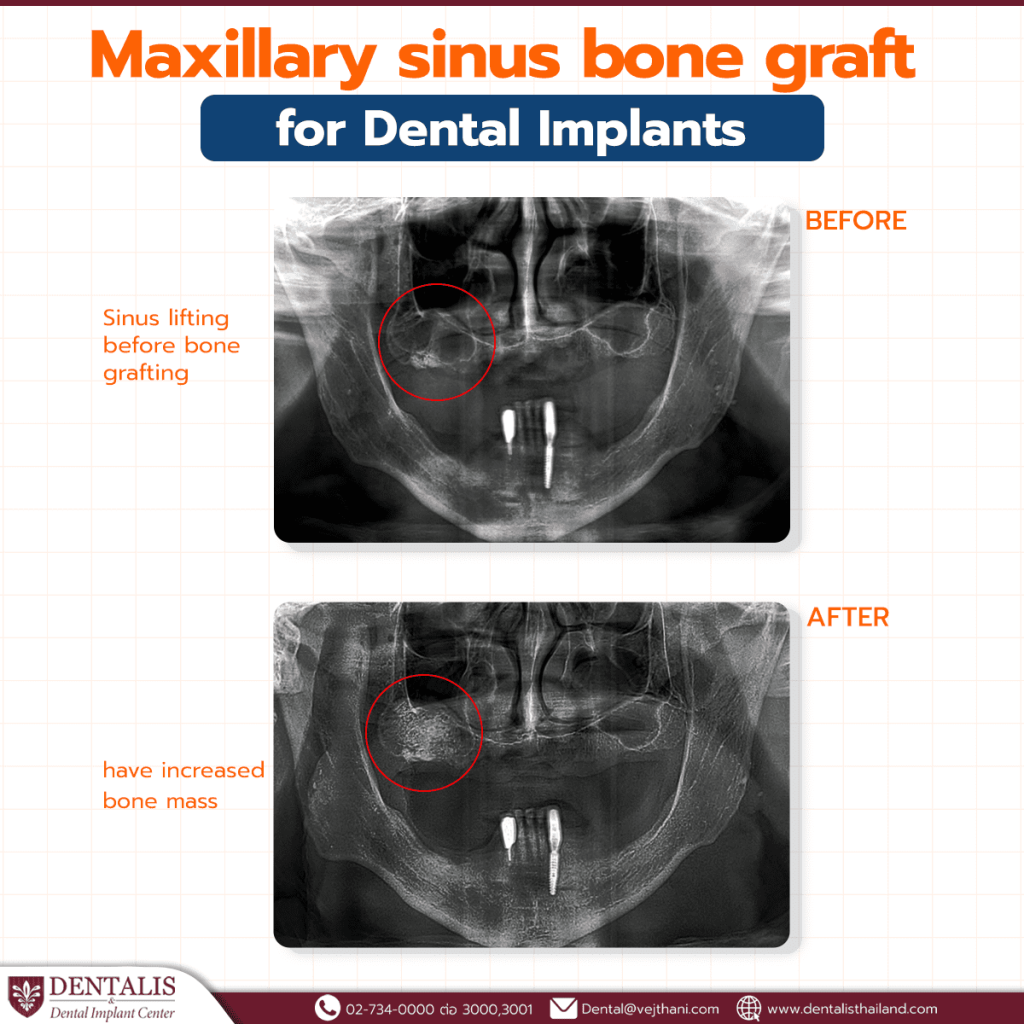
Sinus lift is a kind of bone graft procedure. It is performed when patient’s loss maxillary molar for long period of time since the maxillary molar anatomy tend to have roots near the sinus cavity as a result losing one of these tooth may cause the sinus membrane to move downward to the space where the tooth was once located.

If the replacement of the tooth require by using dental implants in this particular case the oral and maxillofacial surgery dentist needs to perform sinus lift surgery before placement of the dental implant. The surgery will provide enough space for dental implant placement. In the surgery, the sinus tissue is lifted and then a bone graft will be placed and then the surgical area will be suture and cover with artificial tissue. The recovery period should be approximately six months. After this period, the bone will become stable enough and then the dental implants can be placed in the next step.

In case dental implants are placed without sinus lift surgery the dental implants can injure the sinus tissue which lead to sinusitis. Apart from this problem, if the bone is not strong enough to support the dental implants it will also affect the stability of the dental implants.

A dental implant insertion done together with sinus lifting is a complicated procedure that requires the expertise of a dentist to be completed. The treatment plan and process may differ in each case depend on the dentist and the patient.

Dr. Kasama Aryatawong
Dentist specializing in oral maxillofacial and surgery

For more information on implant dentistry, please click
For more information on oral and maxillofacial surgery, please click
Zoom Whitening: Make Your Teeth Whiter in a few Minutes

Zoom whitening offers a solution to dull or yellowish tooth enamel. This whitening process makes the enamel whiter with LED light from the Zoom equipment. The light acts as a catalyst for the whitening gel, which makes teeth whiter within a short period of time.

Zoom Whitening process are as followed;

  1. Dental cleaning before bleaching process begin.
  2. Consulting with a dentist to make a treatment plan including choosing the shade of enamel that is suitable for the patient
  3. Applying whitening gel over the surface of teeth and then apply LED light from the Zoom equipment as a catalyst to make the tooth surface brighter. The whitening process takes around 15 minutes. After that the whitening gel is changed 3-4 times. In case the patient starts to experience teeth sensitivity the bleaching process might be stopped as soon as possible.
  4. After the bleaching process is completed the dentist will compare the teeth shade before and after the treatment and let the patient see the difference. Then the dentist will give post operative instruction about how to take care the teeth after the treatment.

Dr. Jomnang Yoohun
Cosmetic dentist

For more information on cosmetic dentistry, please click

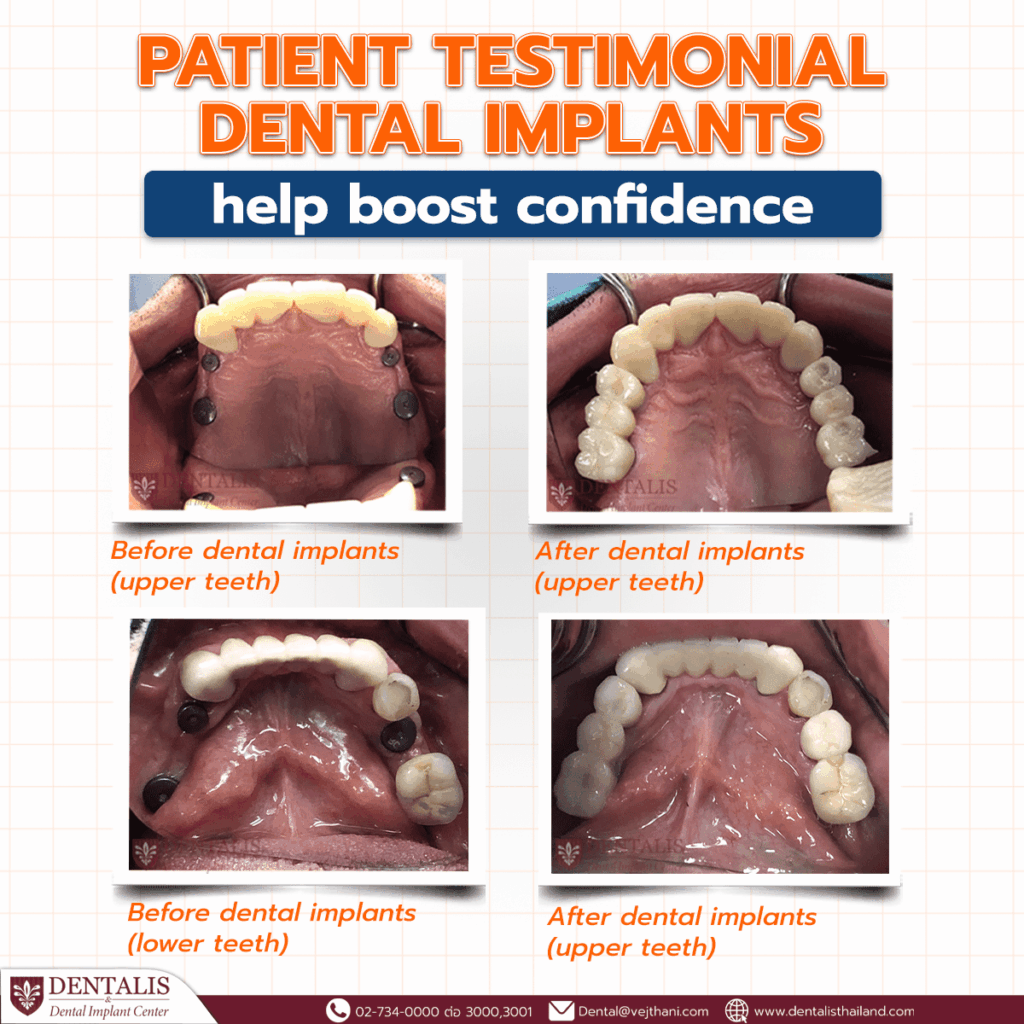
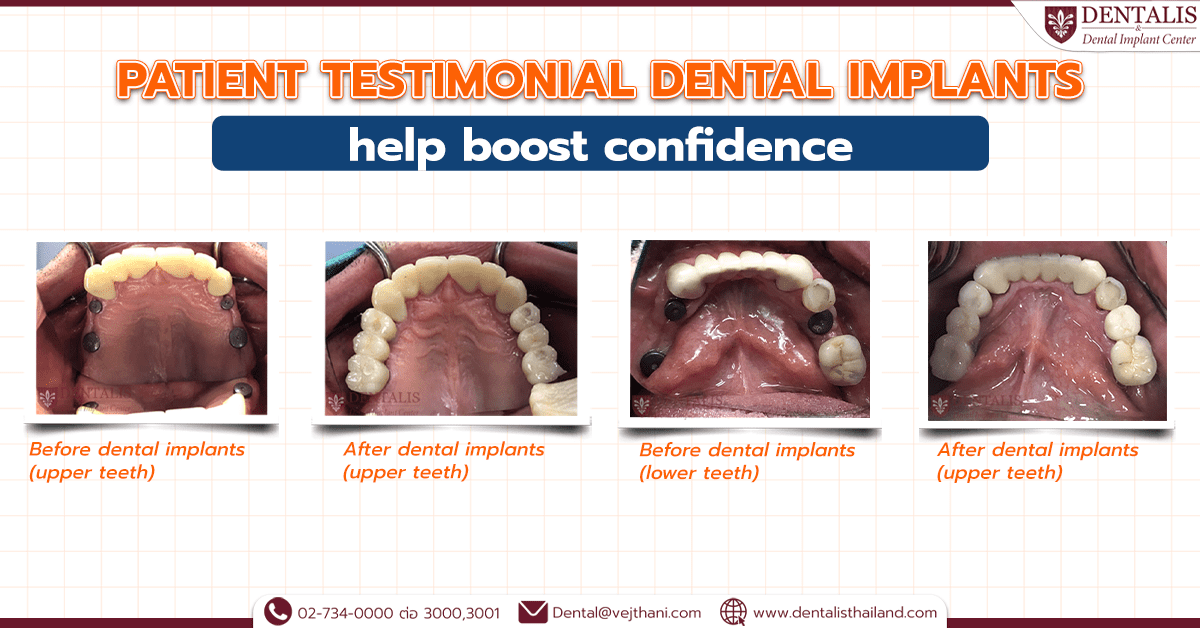
Dental Implants help boost confidence, restores oral function and improves quality of life.

Dental implants are inserted to replace missing teeth. They resemble natural teeth appearance and improve the masticatory function.

In this case, patient had lost several amount of natural teeth involving both anterior and posterior teeth. The consequences of these loss on the patient include altered smile esthetic, loss of self confidence and ineffective mastication.

The dental treatment have been established. Seven dental implants were inserted as both upper and lower teeth. They restored the patient’s chewing ability and improved his quality of life.

Treatment by Dr. Somsak Sukjaruwan
A prosthodontist

For more information on implant dentistry, please click
For more information on cosmetic dentistry, please click

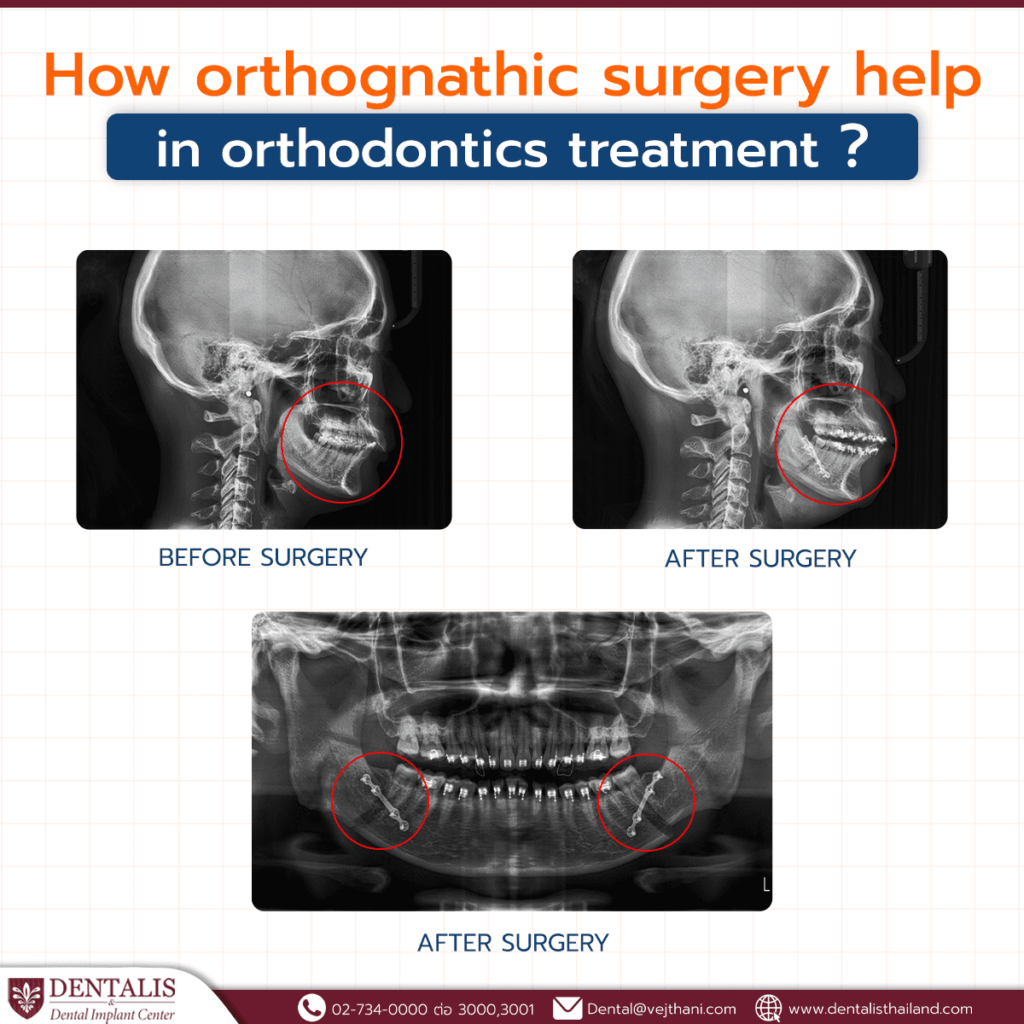
How orthognathic surgery help in orthodontics treatment?

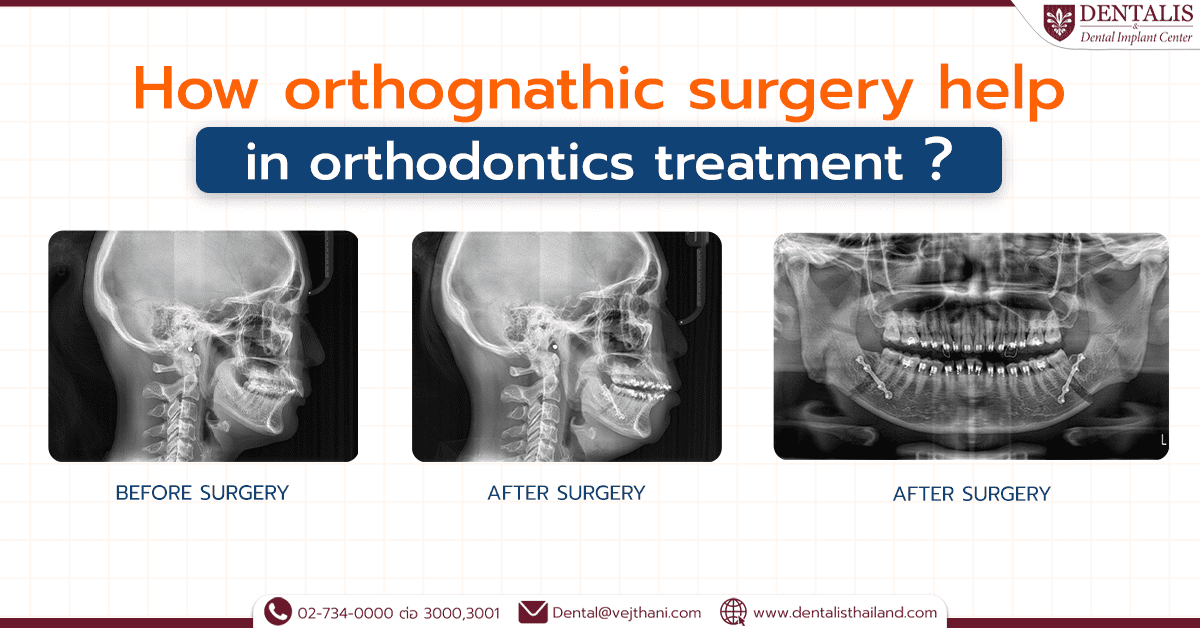
Orthognathic surgery helps treat conditions caused by a jaw abnormality such as a protruding mouth, protruding jaw, facial asymmetry, gummy smile (excessive gingival display) and underbite (the lower teeth overlapping the upper teeth).

These conditions cause many effects on everyday routine and esthetically appearance including lost smiling confidence and mastication problem. The example of masticatory problem that can occur is not be able to bite noodles due to upper and lower teeth not occlude the consequences from this scenario is jaw fatigue due to constraining of the mouth muscles.

Jaw abnormalities can be a congenital disorder. If orthodontic treatment alone cannot solve this problem orthognathic surgery may require together with orthodontic treatment.

Orthognathic surgery with orthodontic treatment can be done in two ways:

  1. Performing orthodontic treatment before orthognathic surgery
  2. Surgical first approach: Performing orthognathic surgery before orthodontic treatment 

Orthognathic surgery with orthodontic treatment helps move the jawbone to the correct position. This surgery results in facial symmetry and improve phonetic function. The surgery also solves the underbite issue by moving the overlapping teeth to the correct positions to improve the chewing ability and correct the teeth alignment.

Orthognathic surgery with orthodontic treatment should be performed in people whose body has already stopped growing. Such procedures also need to be carried out by a multidisciplinary team of dental specialists. They will take care each patient closely in order to achieve the treatment results as planned.

Dr. Seethala Sangganjanavanich
Orthodontist

For more information on oral and maxillofacial surgery, please click
For more information on orthodontics, please click

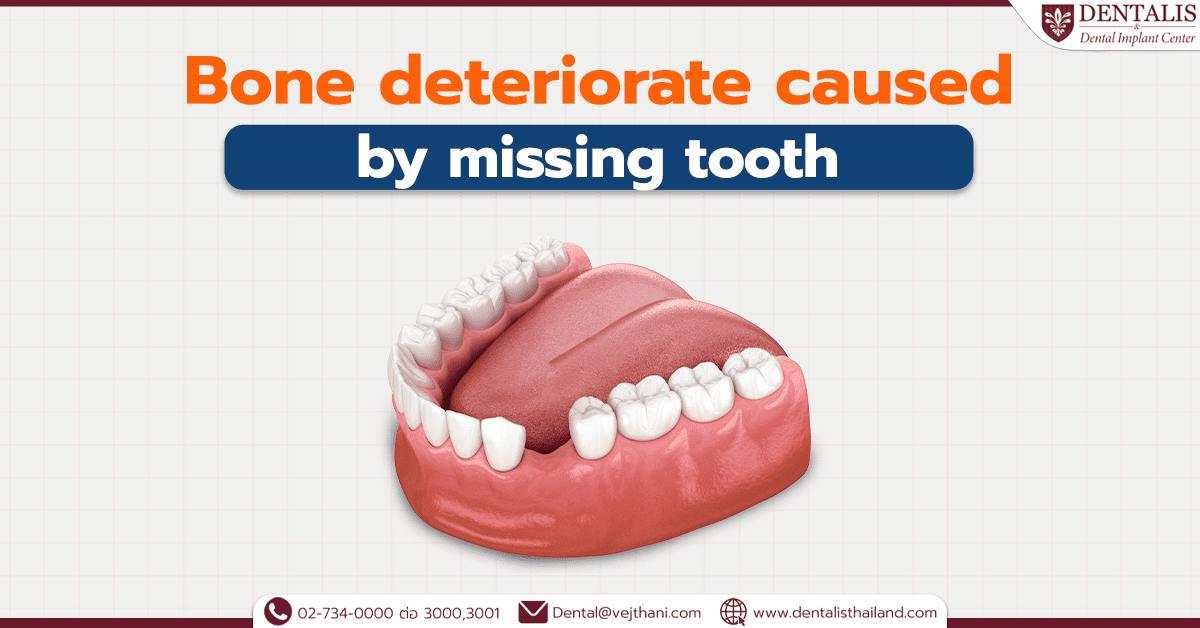
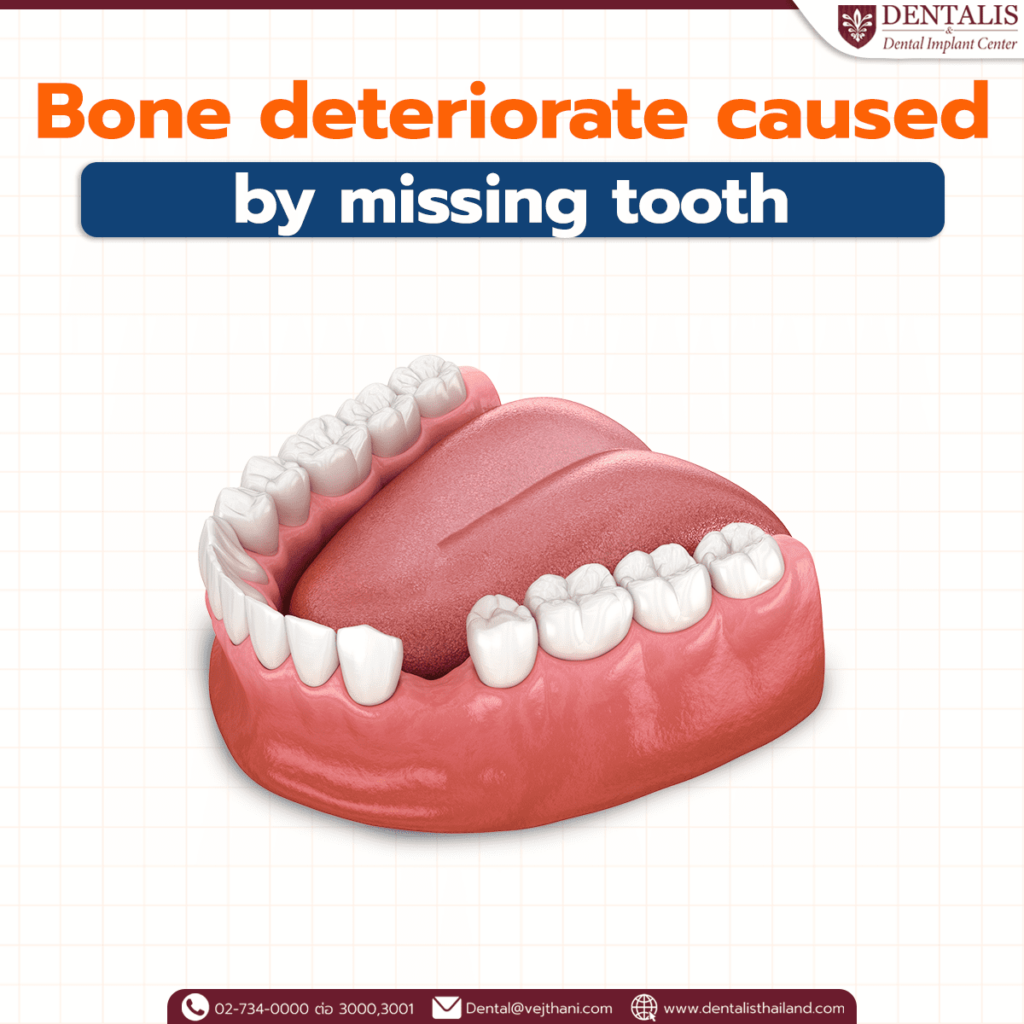
Bone deteriorate caused by missing tooth

When the teeth has been lost due to an oral disease or any other factors as the result the space from missing teeth will occur.If the gap is untreated the result may cause the bone in particular area gradually degenerate and eventually result in a reduced bone mass.In such case, dental implants cannot be inserted right away the dental bone grafting is required to increase the bone mass which is necessary in order to support dental implants.

In the scenario that the gap between the teeth is left for a long period of time the treatment process may become longer and increase dental costs as bone graft is required before inserting dental implants.

If a patient does not want to undergo the bone graft procedure, removable dentures or dental bridge can be the alternative treatment choice.However, these alternatives can cause discomfort when chewing more than dental implants.The dental implants is the fixed restoration that mimics the natural tooth behavior best.

Dr. Nopparat Suksod
Implantologist

For more information on implant dentistry, please click
For more information on oral and maxillofacial surgery, please click
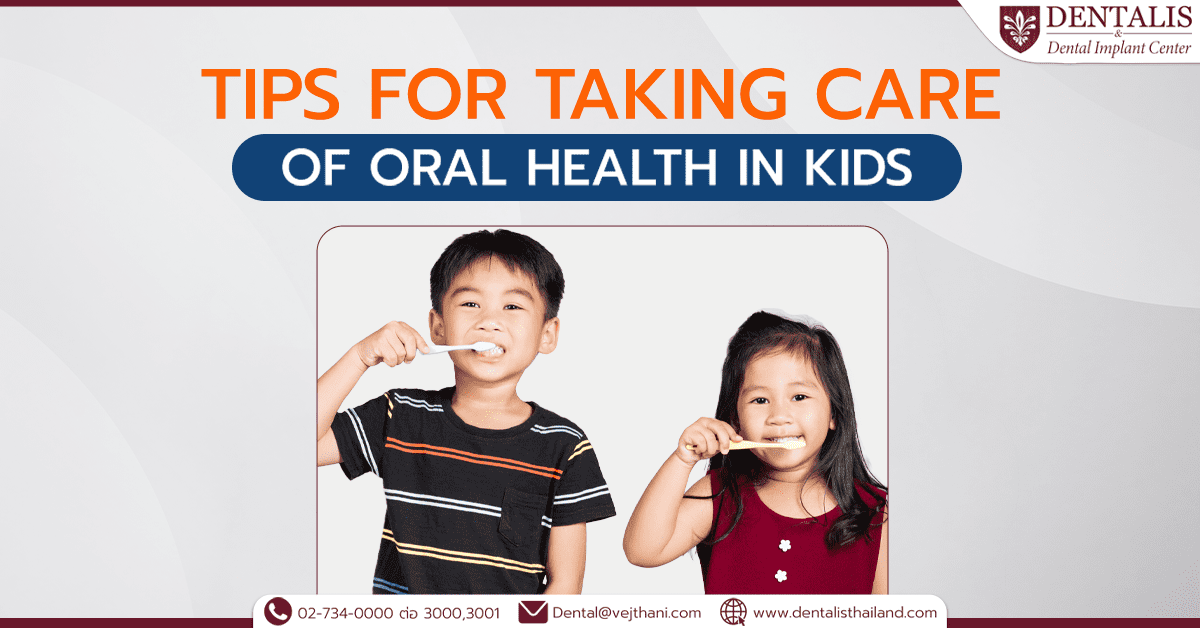
Tips for Taking Care of Oral Health in Kids

Taking care of oral health since childhood is key to maintaining beautiful and strong teeth in the long term. That is why parents are supposed to pay attention to taking care of the teeth of their kid(s) from birth to when primary teeth start developing. This will help prevent premature primary tooth loss. If a primary tooth has fallen out prematurely, the kid may have problems with pronunciation problems and adult teeth getting stacked on top of the baby teeth.

After a baby has been born, the parents should wipe its mouth clean after every breastfeeding. A clean towel dipped in boiled water should be used to clean the gum ridge, tongue, the bulge of the cheek, and the areas around the upper and lower lips. This will make the baby used to the feeling of teeth brushing in the future after teeth have developed.

Parents are recommended to brush every tooth of their kid with a toothpaste that is proper for kids and contains fluoride. They should wean their kid off the bottle by 12-18 months.

Kids should be encouraged to eat healthy food and avoid sweets, fizzy drinks, snacks and candies. Lastly, they should be brought to see a dentist for an oral health checkup every 3-6 months to prevent tooth decay.

Dr. Pim Khererat
Pedodontist

For more information on pedodontics, please click

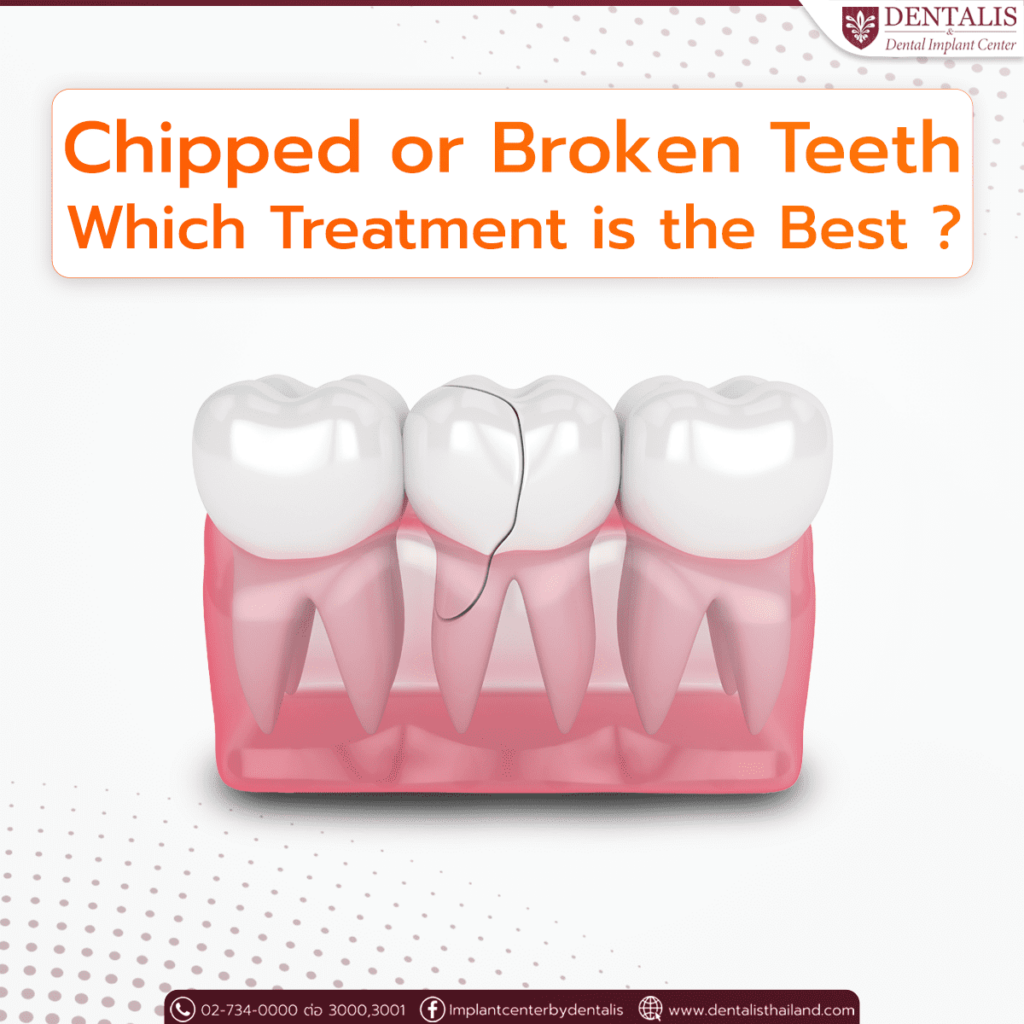
Chipped or Broken Teeth: Which Treatment is the Best?

Chipped, broken or cracked teeth with a piece of a tooth breaking off and falling out make the remaining tooth structure incomplete and look bad. This problem can be found in people of every gender and age. It is caused by the force of impact during an accident or other behaviors in everyday life that pose the risk of tooth damage, such as chewing food too hard.

If chipped or broken teeth are properly taken care of and treated in time, they may be able to be repaired and function normally like before. This will also prevent tooth loss.

There are many treatment procedures for broken teeth, such as:

Tooth filling: Treats teeth that are only slightly chipped, broken or cracked. Dental filling materials, such as plastic resin, that are similar to the patient’s teeth in color and shape are used to fill the gaps of the teeth to allow them to function normally again.

Dental crowns: In case of seriously broken teeth, a dentist will recommend dental crowns. These crowns are similar to the patient’s existing teeth in shape and color to deliver natural-looking results.

Veneers: In case the teeth are only slightly broken, wearing veneers allows the teeth to function properly again. Veneers are made of thin ceramic materials whose quality is similar to the natural teeth. Veneers are placed over the front surfaces of the teeth.

Root canal treatment: In case the teeth are broken deep down to the dental pulp, a dentist will need to do the root canal treatment by cleaning the root canals, removing the damaged tissues to prevent further infection, and then sealing the teeth.

This procedure will allow patients to use the teeth normally again without pain.

Tooth extraction: In case the teeth are broken beneath the gum line, or the teeth are severely damaged and cannot be restored to function again, a dentist will recommend tooth extraction. The removed teeth will be replaced by new ones, such as dental implants.

People who are suffering from broken teeth are recommended to see a dentist for treatment. The treatment process may differ from person to person, depending on the dentist’s opinions.

For more information on dental implants, please click
For more information on cosmetic dentistry, please click

Dentalis & Dental Implant Center
Tel. 02-734-0000 ext. 3000, 3001

To consult with a dentist, click
To make an appointment with a dentist, click

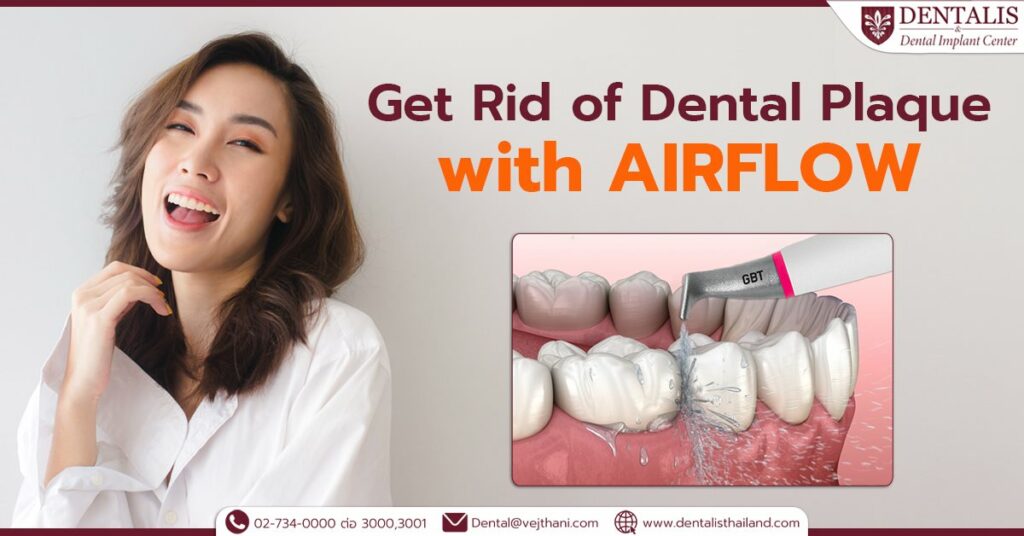
Get Rid of Dental Plaque with Airflow

Consuming tea, coffee, fizzy drinks or red wine and smoking cause dental brownish plaque buildup which may make the teeth look yellow. This plaque may lead to health issues in the long run if one does not receive a dental checkup and cleaning, including dental scaling, every six months.  

To clean the teeth with the AirFlow technology, high-pressure water and air pressure are used to remove plaque. The water used to clean the teeth contains very fine powder particles that get rid of hardened plaque buildup on the teeth, gaps between the teeth and space of the gum. The cleaning will not harm the tooth enamel or make it thinner. This technology also reduces tooth sensitivity and pain during the scaling. 

Those interested in cleaning their teeth with the AirFlow technology can receive a consultation at Dentalis & Dental Implant Center. This place is the first dental care center in Thailand whose Airflow-assisted Guided Biofilm Therapy is certified by Swiss Dental Academy (SDA) from Switzerland.  

Dr. Rungdara Kumanchan 
A periodontist  

For more information on general dentistry, please click
For more information on gum disease, please click

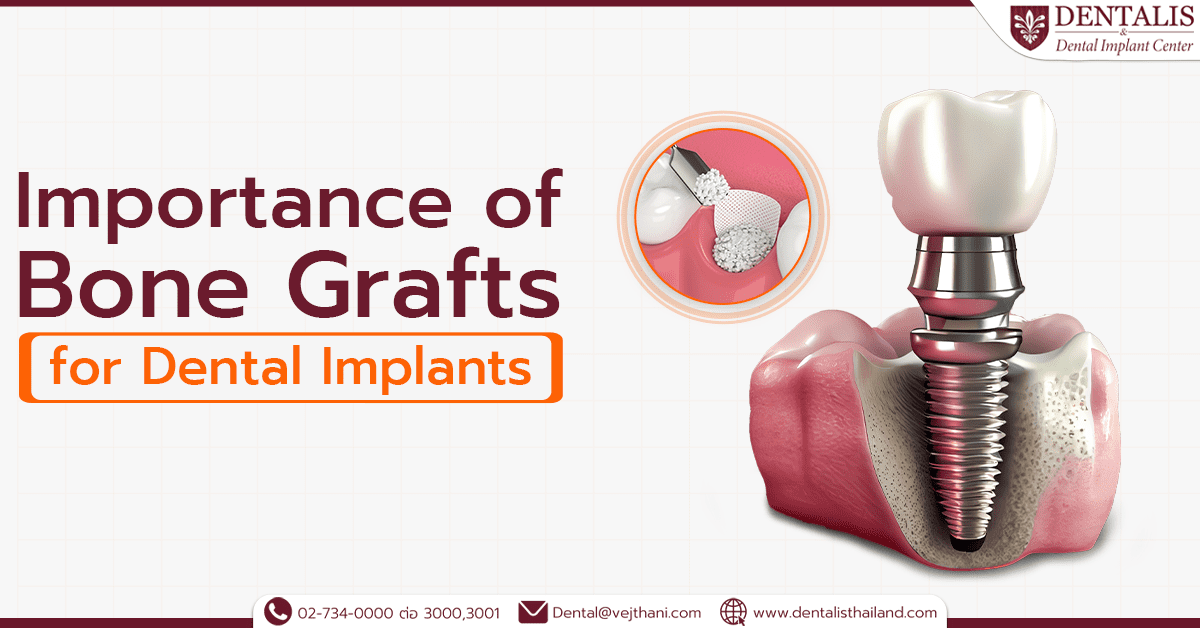
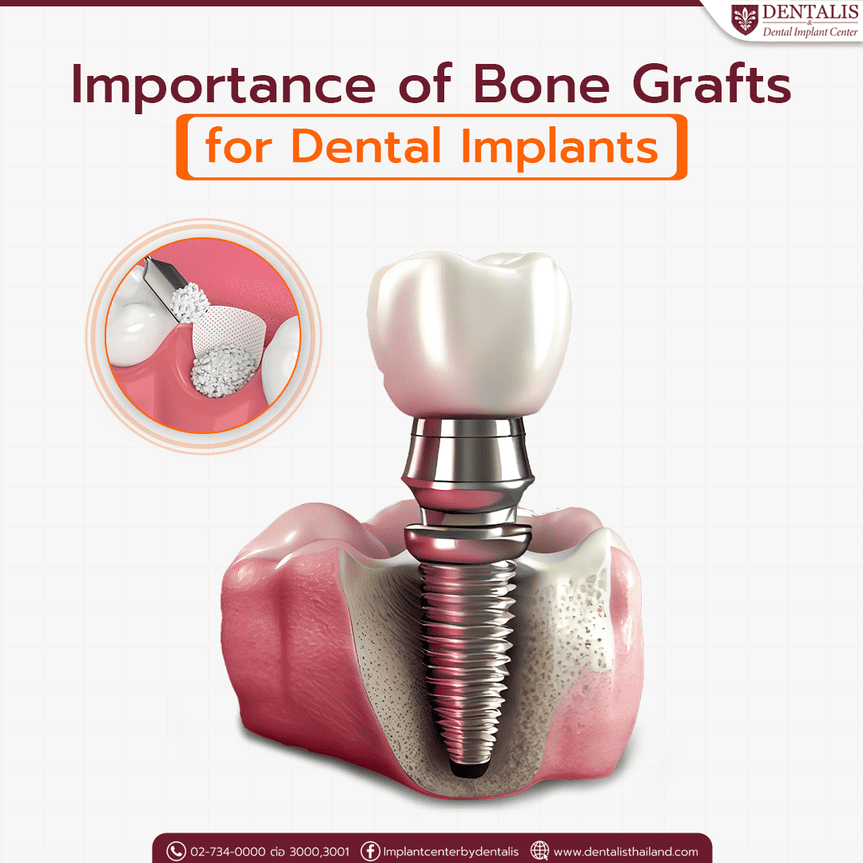
Importance of Bone Grafts for Dental Implants  

Dental implants are one treatment option available nowadays to replace lost teeth. These implants look natural, but the surgical process differs from person to person. One main factor that determines how the surgery will turn out to be is the amount of the existing bone in the area where dental implants will be placed. 

The bone of each person differs in width and height, depending on how long a tooth has been lost and that person’s age. Apart from aging, there are many factors that cause bone degeneration. Degenerated bones are one obstacle to insertion of dental implants. That is why some patients may be required to undergo the dental bone graft procedure before inserting dental implants. 

Bone grafting for dental implants is done to increase the width and height of the bone to be compatible with the diameter and length of dental implants. This will allow for long-term use of implants. Bone grafts will act like house pillars which need to be deep enough under the soil to support the house. 

There are two main types of bone grafts for dental implants: 

  1. Doing bone grafting together with inserting dental implants  
  2. Doing only bone grafting first, then waiting for the bone to connect with the existing one before scheduling to insert dental implants later. 

A dentist will select the most proper type of bone grafts by looking at the remaining ridge. 

Doing any of the two types of bone grafting will lengthen the overall treatment period and make the surgery more complicated and costly. However, from a global study, it was found that bone grafts for dental implants raise the success rate of maintaining the dental implants in the long run for those who do not have enough ridge left. 

Dr. Kasama Aryatawong  
Oral and maxillofacial surgeon 

For more information on dental implants, please click
For more information on bone grafts, please click

Why Veneers need to be done at Dentalis & Dental Implant Center

Our distinguished team, comprised of over 45 dedicated dental specialists trained at premier institutions both in Thailand and internationally, is committed to delivering exceptional care. 

Dentalis & Dental Implant Center is part of Vejthani Hospital, which is accredited by the Joint Commission International (JCI), we leverage advanced technology and state-of-the-art equipment to provide precise treatments. 

Dentalis & Dental Implant Center committed to maintaining the highest standards of hygiene, performing meticulous sterilization of our instruments to ensure your safety and comfort. We look forward to being a part of your dental health journey. 

What are Veneers 

A cosmetic procedure that is designed to improve the appearance and health of the teeth. It is used to cover teeth that have been damaged by injury or disease, teeth that have been discolored and teeth that people are not happy with the appearance of. Veneers are made of a thin composite material that is attached to the front of the teeth. 

The procedure requires a person to have an exam and to have a mold of the teeth made. The veneers are made at a lab from the mold. That process can take 1 to 2 weeks. Once the veneers have been made, they are bonded to the teeth with special cement.

Benefits of Veneers 

Medical benefits of Veneers 

  • Covers gaps between teeth
  • Repairs Chipped or Broken Teeth 
  • Protects weakened or damaged tooth surfaces 
  • Helps improve bite alignment (minor cases) 
  • Reduces risk of further enamel damage 
  • Straightens uneven teeth appearance 

Cosmetic benefits of Veneers

  • Can choose your tooth color and tooth shape to suit your facial structure. 
  • Similar to the natural teeth – Natural looking results 
  • Choose the ideal shade and shape for a natural, bright smile 
  • Boosts self-confidence and overall smile aesthetics 
  • Creates a harmonious, symmetrical smile 
  • Highly resistant to stains, making them a long-lasting solution for a shiny smile. 

The Veneer Procedure (Step-by-Step) 

  • 1st Appointment
    Planning Personalized Treament
    Map out a treatment plan tailored to your smile goals and dental needs.
  • 2nd Appointment 
    Preparing Your Teeth
    Gently prepare your teeth for the veneers to ensure a perfect fit and natural look.
  • 3rd Appointment
    Placing & Fitting Veneers
    Carefully position each veneer for seamless alignment and a flawless finish.
  • 4th Appointment
    Post-Procedure Care
    Learn proper care and maintenance to keep your veneers healthy and long lasting.

Before & After Gallery / Patient Testimonials

Transform Your Smile and Boost Your Confidence with Veneers by Wan Thanakrit Panichwid | Vejthani International Hospital 

Design your perfect smile with the latest in cosmetic dentistry. Veneers have become a popular choice among actors, singers, artists, beauty queens, and social media influencers who want to feel confident and shine when smiling or speaking. 

This innovative dental treatment addresses a variety of common concerns, including yellow or stained teeth, gaps, misaligned teeth, and chips or cracks. Thin, custom-made ceramic veneers are carefully bonded to the front surface of your teeth, enhancing their appearance without affecting your bite or natural function. 

With proper care, veneers can last 10–12 years, giving you a long lasting, radiant smile.