Nitrous oxide is a gas that has no color or odor, used in dental treatment primarily for its sedative and analgesic properties. It helps manage dental anxiety, making it ideal for patients with a fear of dental procedures. It calms and relaxes patients, facilitating a smoother treatment experience. It significantly reduces the perception of discomfort, making procedures like fillings, extractions, and root canals more tolerable. Nitrous oxide is used for various dental procedures, from routine cleanings to more complex surgeries. Its rapid onset and quick recovery time allow patients to return to daily tasks shortly after treatment.
Supported by in-house dental laboratory technicians
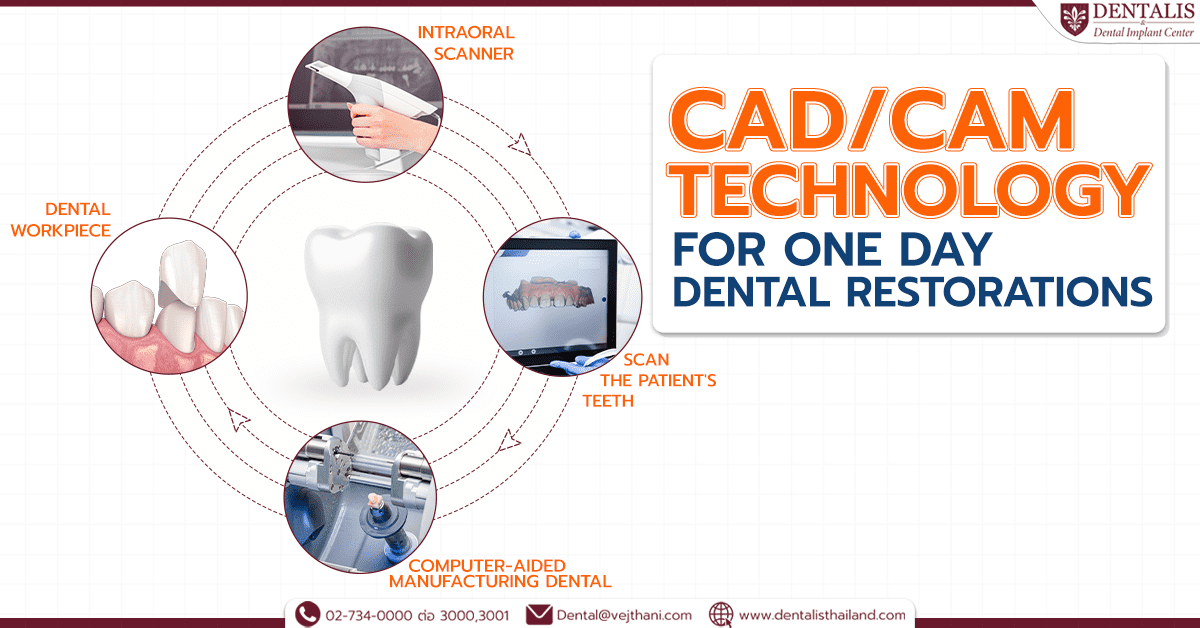
CAD/CAM technology
Computer-assisted system for faster and more precise dental restorations
Specialized Dentists
At the Dentalis & Dental Implant Center, we have a multidisciplinary team of dental specialists. This ensures patients receive accurate treatments with advanced technology tailored to their needs. For example, CAD/CAM technology allows computer-aided design and production of dental restorations more efficiently. Our dental lab technicians work closely with specialists to ensure precision and accuracy in every restoration.
Dentalis & Dental Implant Center, under Vejthani International Hospital, is JCI-accredited and ready to provide expert consultation with confidence.
Advanced Technology
CAD/CAM
Shortens the production time of dental restorations.
A key technology used in producing dental restorations such as crowns, implant-supported crowns, veneers, and fillings.
In-House Dental Laboratory
Dentalis & Dental Implant Center is equipped with an in-house dental lab where technicians design dental restorations in close collaboration with dental specialists.
X-Ray and CT Scan
Dentalis & Dental Implant Center also provide 3D dental scanning, allowing for precise visualization inside the patient’s mouth to ensure accurate and targeted treatment.
Dentalis & Dental Implant Center
Dentalis & Dental Implant Center is part of Vejthani Hospital, accredited by JCI (Joint Commission International, USA). We recognize the importance of strong oral health and a beautiful smile. With a deep understanding of each patient’s unique dental concerns, we provide comprehensive care through a full team of specialized dentists across all fields.
JCI Accreditation (USA)
Specialized Dental Implant Center
Comprehensive treatments by dental specialists
CAD/CAM technology
Sterilization with international hygiene standards
Specialized Dental Implant Center
The Dentalis & Dental Implant Center is a specialized dental center in dental implants. It brings together dental specialists in implant dentistry and dental restoration, or repairing teeth that have been lost entirely or partially on the enamel surface, to restore function again. It also includes treatments that are complex and require the expertise of dentists, such as sinus lift and bone grafting combined with implant placement.
The Dentalis & Dental Implant Center *has previously conducted dental implant training courses to produce dental implant specialists. The training was a specialized program in collaboration with the University of Frankfurt, Germany.
All on 4 Dental Implants
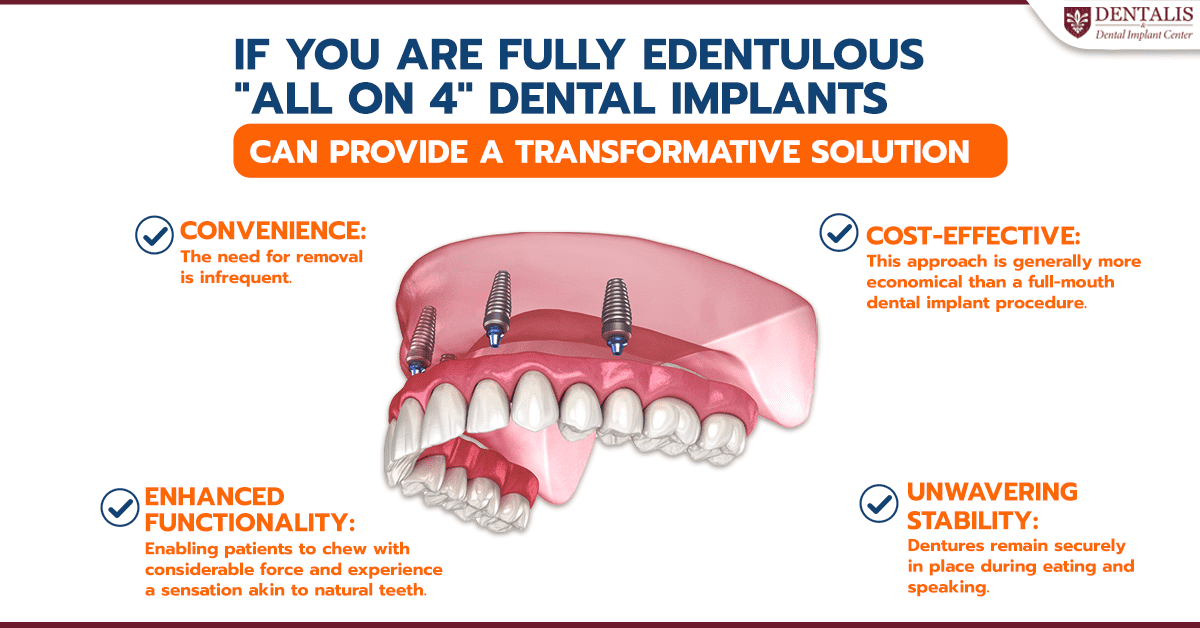
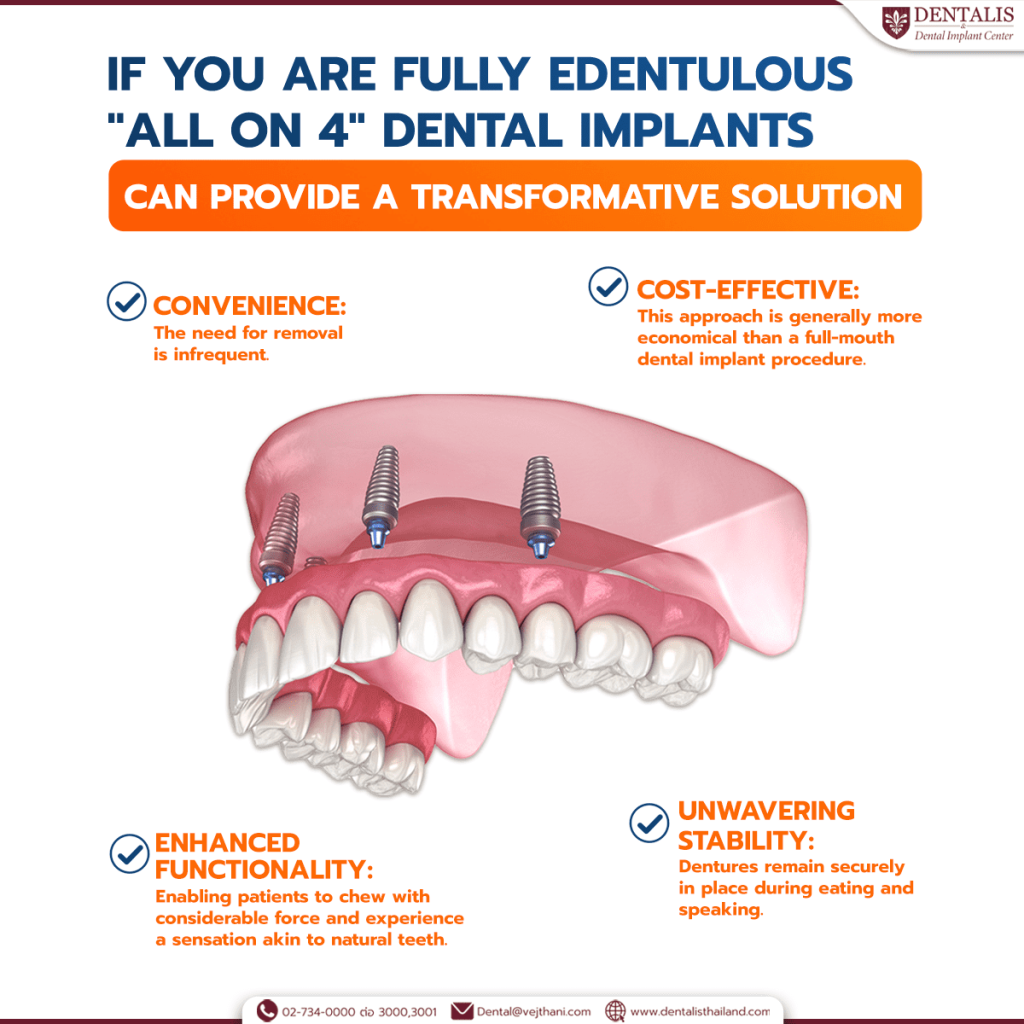
The ‘All on 4’ dental implant is a placement of four implants into the jawbone to anchor a fixed denture. This treatment is ideal for individuals who are fully edentulous or those who have lost some teeth, with the remaining dentition in compromised condition. The ‘All on 4’ approach can be applied to both upper and lower jaws, offering patients a heightened sense of confidence and a more seamless transition to their new teeth compared to removable alternatives.
The merits of the ‘All on 4’ treatment are as follows:
Expedited procedure: Dental implant surgery and denture placement can often be accomplished within the same day, with occasional exceptions necessitating 2-3 days for additional bone grafting.
This allows patients to promptly resume their daily routines.
Minimal invasiveness: The utilization of only four dental implants obviates the need for multiple surgeries. This reduces the likelihood of complications and circumvents extensive bone grafting procedures.
Enhanced functionality: The integration of implants with the jawbone affords dentures exceptional stability, enabling patients to chew with considerable force and experience a sensation akin to natural teeth.
Cost-effective: This approach is generally more economical than a full-mouth dental implant procedure.
Unwavering stability: Dentures remain securely in place during eating and speaking, alleviating concerns of slippage or displacement.
Convenience: The need for removal is infrequent.
Furthermore, ‘All on 4’ dental implants are well-suited for individuals who are fully edentulous or possess only a few remaining teeth, effectively replacing the entirety of the dentition. This affords patients the ability to eat with assurance and enjoy an elevated quality of life.
However, there are certain limitations to consider with ‘All on 4’ dental implants, including a potentially higher cost compared to removable dentures and contraindications for individuals with specific health conditions such as heart disease, diabetes, or congenital disorders. If you are contemplating the ‘All on 4’ dental implant procedure, it is imperative to seek a consultation with a specialized dentist for a comprehensive evaluation of your oral health and a personalized treatment recommendation.
Digital Aesthetic Dentistry
Today, esthetics dentistry has become increasingly popular. Beyond restoring function, it focuses on enhancing the color, shape, and alignment of teeth to create a beautiful smile that harmonizes with each patient’s facial features—while always prioritizing good dental health.
Our Digital Aesthetic Dentistry Center offers treatments such as:
Zoom whitening
Veneers
Gum contouring
Invisalign
Gap closure treatments
All are performed with the aim of creating a natural, balanced smile that enhances both appearance and confidence.
* Training courses were offered from 2007–2019 * Program name: Dentalis Advanced Dental Clinic & Dental Specialised in affiliated with University of Frankfurt
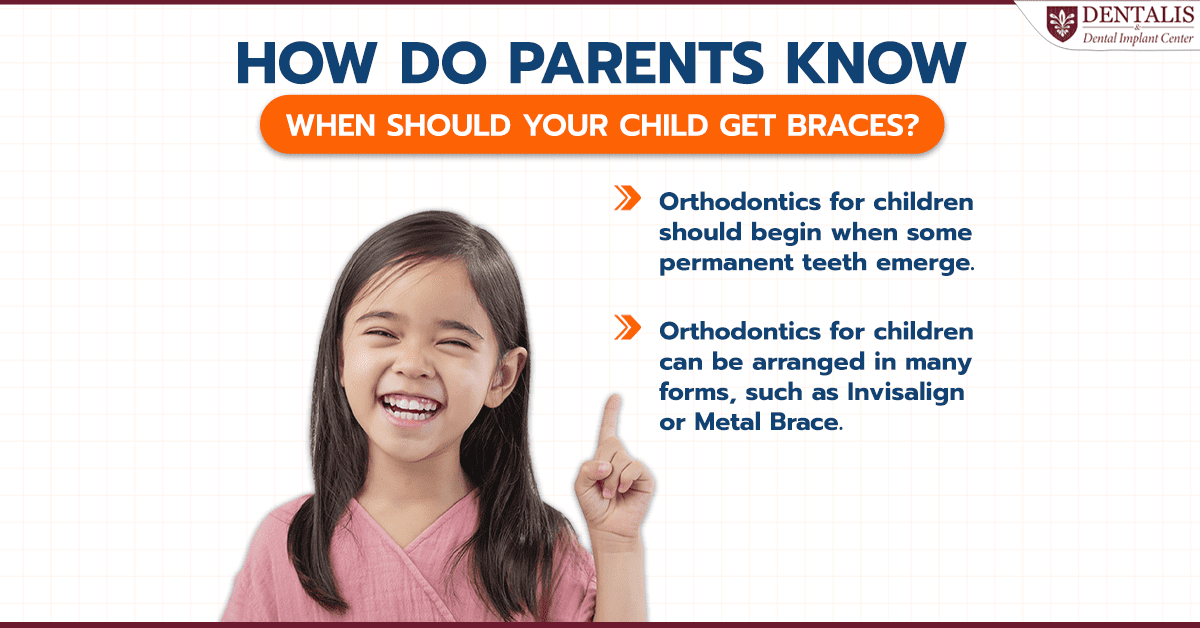
Orthodontics for young children should begin when some of their permanent teeth have erupted. After the permanent teeth appear, a dentist specializing in orthodontics will evaluate the appropriateness of orthodontic treatment for each child. For the most part, orthodontic treatment for children focuses on correcting abnormalities early on. So that the teeth align beautifully with the facial structure.
How should parents prepare for orthodontic treatment in children?
Children should be taken for regular oral health examinations. To prevent tooth decay and have the dentist examine the development of tooth growth in order to discuss appropriate treatment options according to age.
Should talk to educate about the benefits of orthodontics and teach the importance of oral health care. To make children understand the benefits of orthodontic treatment and cooperate in orthodontic treatment. Including being able to take care of your own oral cleanliness during orthodontic treatment.
You should study the details of the cost of orthodontic treatment in children. However, the cost will vary depending on the type of braces such as metal braces, clear braces.
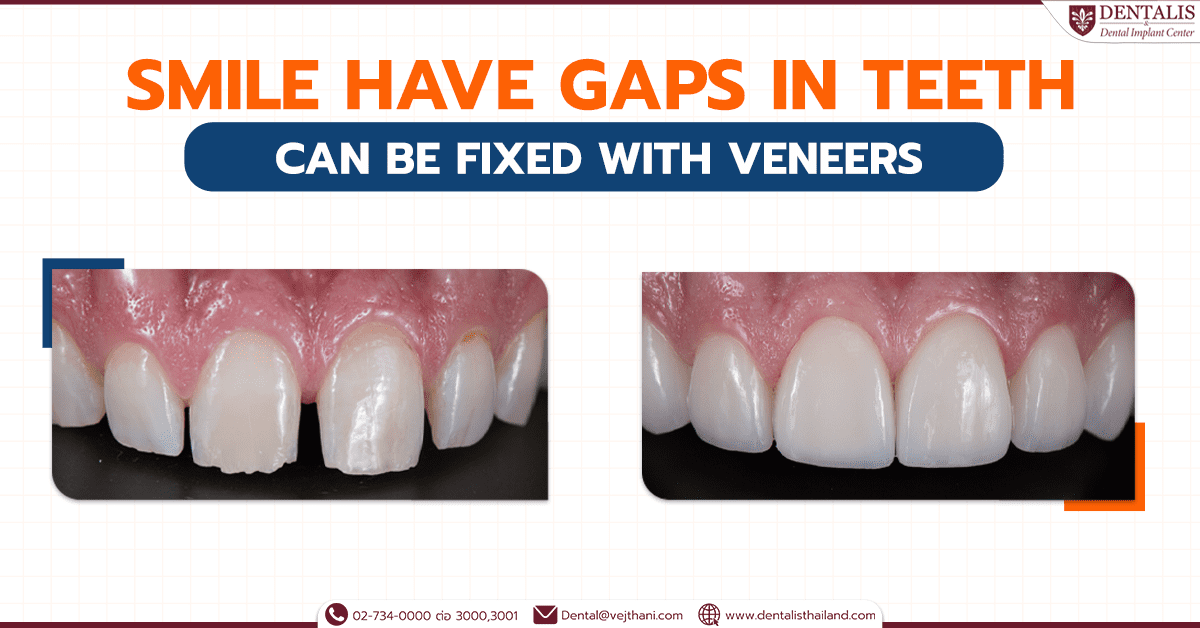
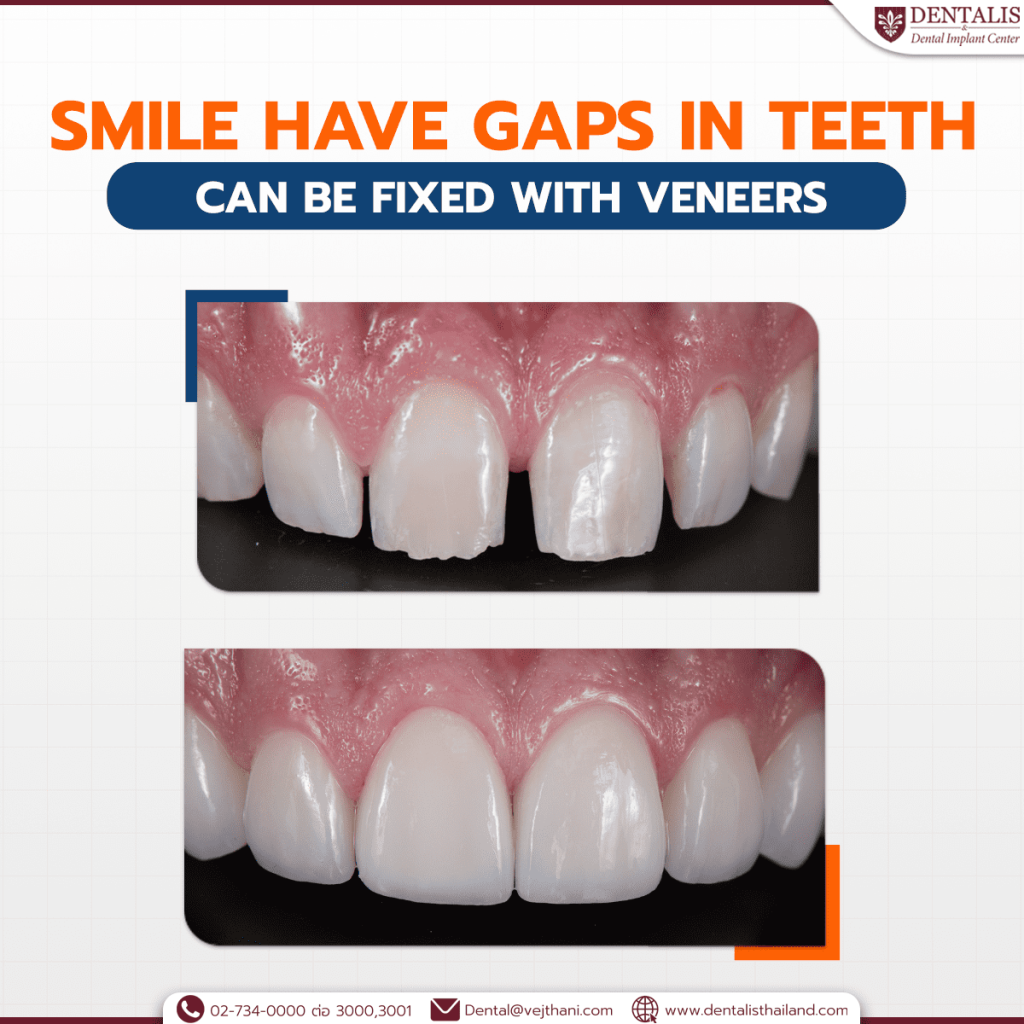
Veneers can correct gaps between teeth. Nowadays, veneers are very popular because they are a method that can effectively close the gaps between teeth. Moreover, veneers are strong, durable and beautiful. Veneer material is difficult to stain. The duration of treatment is approximately 2-3 times. The duration of treatment will vary depending on the problem of gaps and the complexity of each individual.
Advantages of having veneers to correct gaps in teeth
Can cover gaps between teeth
Veneers are strong and durable.
You can choose your tooth color and tooth shape to suit your facial structure.
Doesn’t take much time to heal
Easy to maintain
Precautions
May crack or fall off if not maintained properly.
You should take care of your oral health regularly and regularly by seeing your dentist every 6 months.
This leads to other health problems, such as throat infection, sinus infection, and pericarditis.
Toothache causes pain in the teeth or the surrounding area. Toothache mostly results from tooth decay that injures pulp, wisdom teeth, cracked teeth, or gum disease. The pain will not go away on its own without treating the cause. Therefore, when toothache occurs, it is best to see a dentist to receive proper diagnosis and treatment.
Causes of toothache
Tooth decay
Wisdom teeth
Cracked or broken teeth
Dental abrasion that goes deep down to the pulp
Gum disease
Inflammation of tissue inside the pulp
Inflammation of the innermost tissue of a tooth which causes pus
Buildup of food particles in the space between teeth, which causes the surrounding gum to be inflamed, leading to a buildup of bacteria
Toothache in kids as a tooth is growing
Muscle pain in the jawbone area as a result of clenching teeth while sleeping
Tooth injury
There are two types of toothache:
Temporary toothache that goes away on its own: This is mostly triggered by certain factors, such as eating cold or hot food, and chewing. The pain will go away on its own when getting rid of the triggers. This kind of toothache tends to cause sharp pain that may occur together with sensitivity of teeth. The disorder is mostly caused by tooth decay or tooth fracture that goes deep down to an inner layer of a tooth, cold or hot temperature, and chewing. These factors stimulate the nerves in the pulp more than usual, which may lead to toothache. It can be treated with dental rehabilitation together with a toothpaste that reduces tooth sensitivity.
Throbbing toothache: It can occur on its own without triggers, and mostly at night. Eating hot food will worsen the pain, but eating cold food or chewing may also trigger the symptom. This kind of pain will persist even if there is no longer the trigger. It may occur together with swelling of or pus in the gum near the aching tooth. Throbbing toothache is more severe than the first type of pain because the decay has already gone deep down to the pulp. That is why it needs to be treated with root canal treatment together with dental rehabilitation.
Don’t ignore “toothache” – See a dentist right away
When toothache occurs, it is best to see a doctor to find the cause and have the disorder treated based on the symptoms and cause of the disease. If left untreated, the pain may grow worse and cause a swollen gum or oral cavity. This will make treatment harder and tooth extraction necessary.
Take care of oral health to reduce chance of toothache
Toothache mostly results from tooth decay. That is why taking care of oral health is highly recommended to reduce the chance of developing toothache by brushing teeth correctly at least twice a day as well as regularly seeing a dentist to receive an oral health checkup.
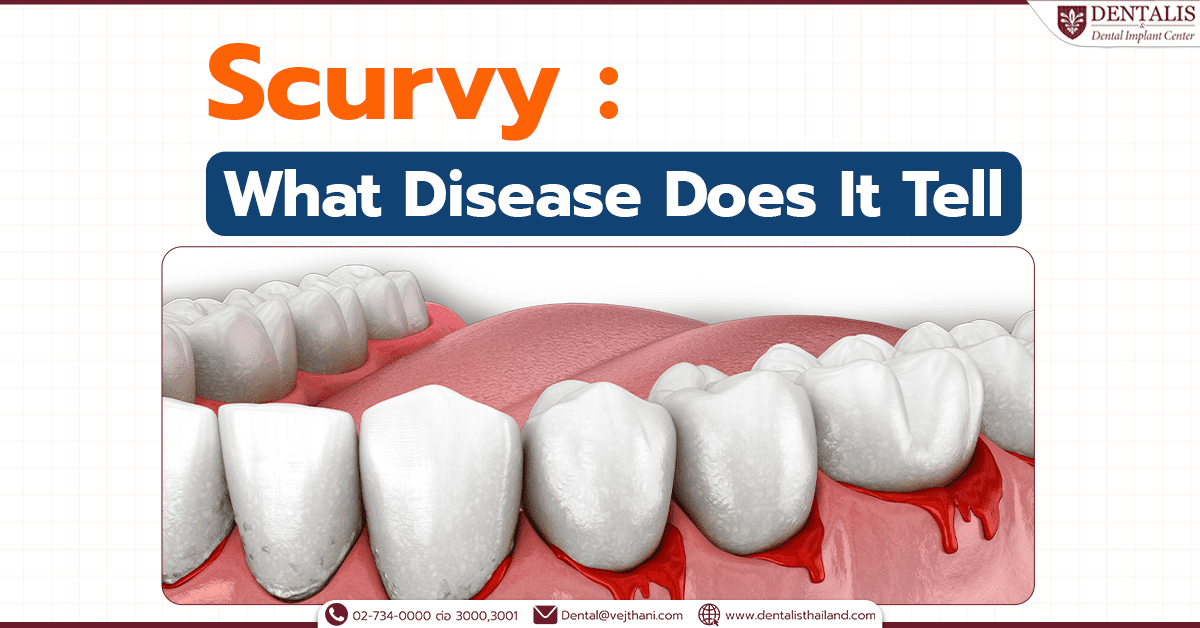
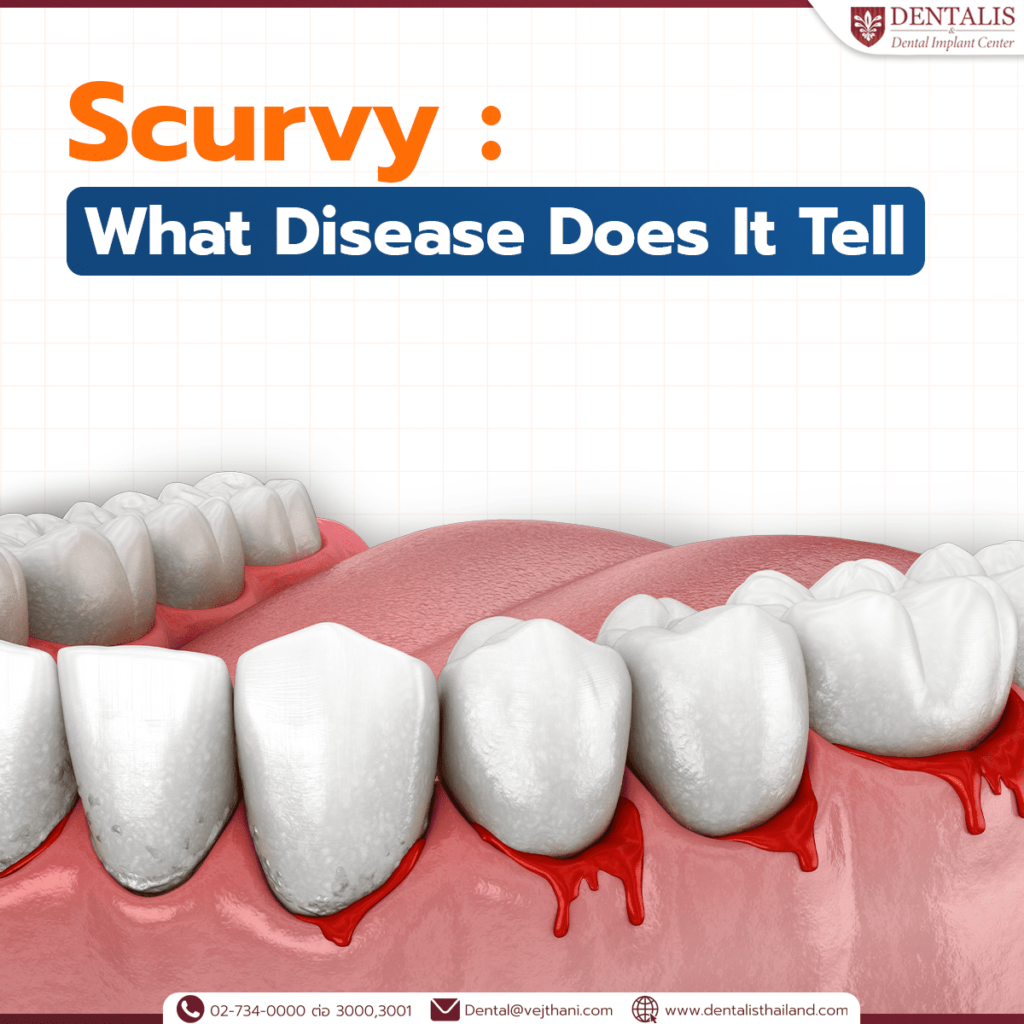
Scurvy may be a disease that most people are familiar with. Apart
from too harsh brushing or using a toothbrush with coarse bristles that injure the gum, scurvy may be caused by:
Gum disease: it is a main cause of scurvy that contributes to 90% of the cases. Unhealthy gum can be prevented by regularly receiving a screening test and getting rid of the causes. This includes getting rid of plaque, receiving dental scaling, and getting gum disease treated, for example.
Taking anticoagulants, such as aspirin, warfarin, or heparin. That is because gums are full of blood vessels. This makes gums prone to bleeding when taking this kind of medications.
Excessive bleeding due to a low blood platelet count or lack of protein that helps in the coagulation of blood.
Having a blood disorder, such as white blood cell cancer which is commonly known as leukemia.
Hormonal changes during pregnancy or menstruation, which may cause a swollen gum and easy bleeding.
If it’s gum disease, after receiving scaling / root planing and proper oral hygiene care the symptom of bleeding gum will gradually diminish. However, if the bleeding does not stop or occurs frequently even after trying to brush the teeth more properly, one should see a dentist for proper diagnosis and treatment.
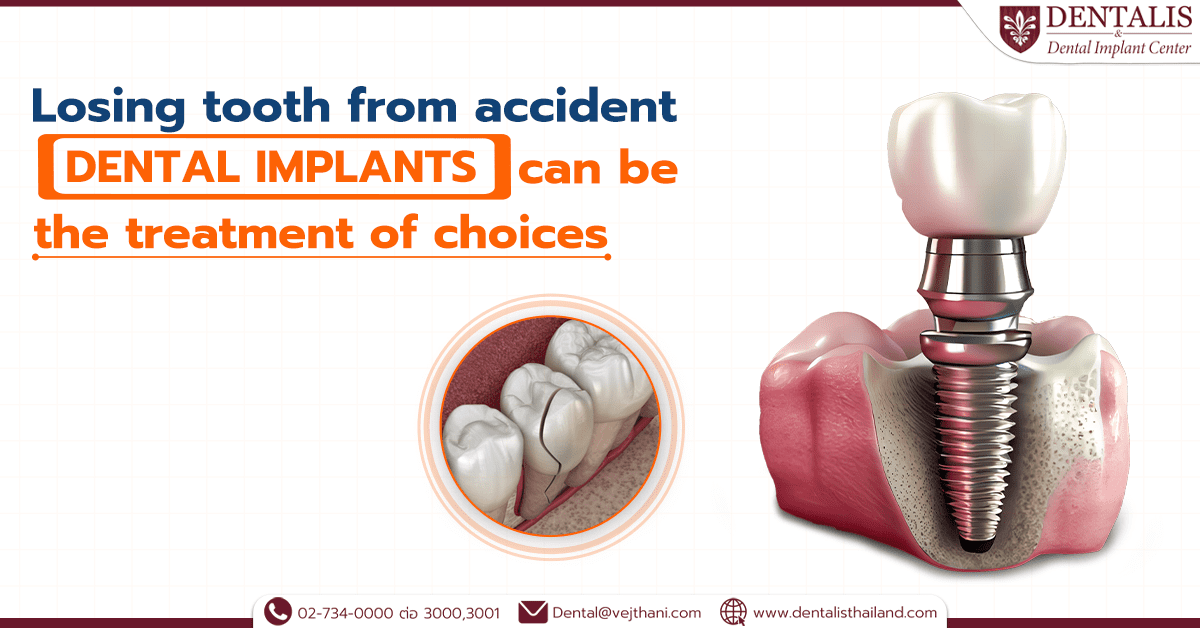
Accidents can happen to any one and any time. They may cause physical injured and organ damage. One of the human part that are the most frequently affected by accidents is tooth, especially the incisors. Losing one of these tooth can affects confidence because the incisors are the most visible tooth during smiling or talking. Therefore, quick restoration on an injured tooth within a short period of time can prevent patient from worrying about waiting for the dental restorations.
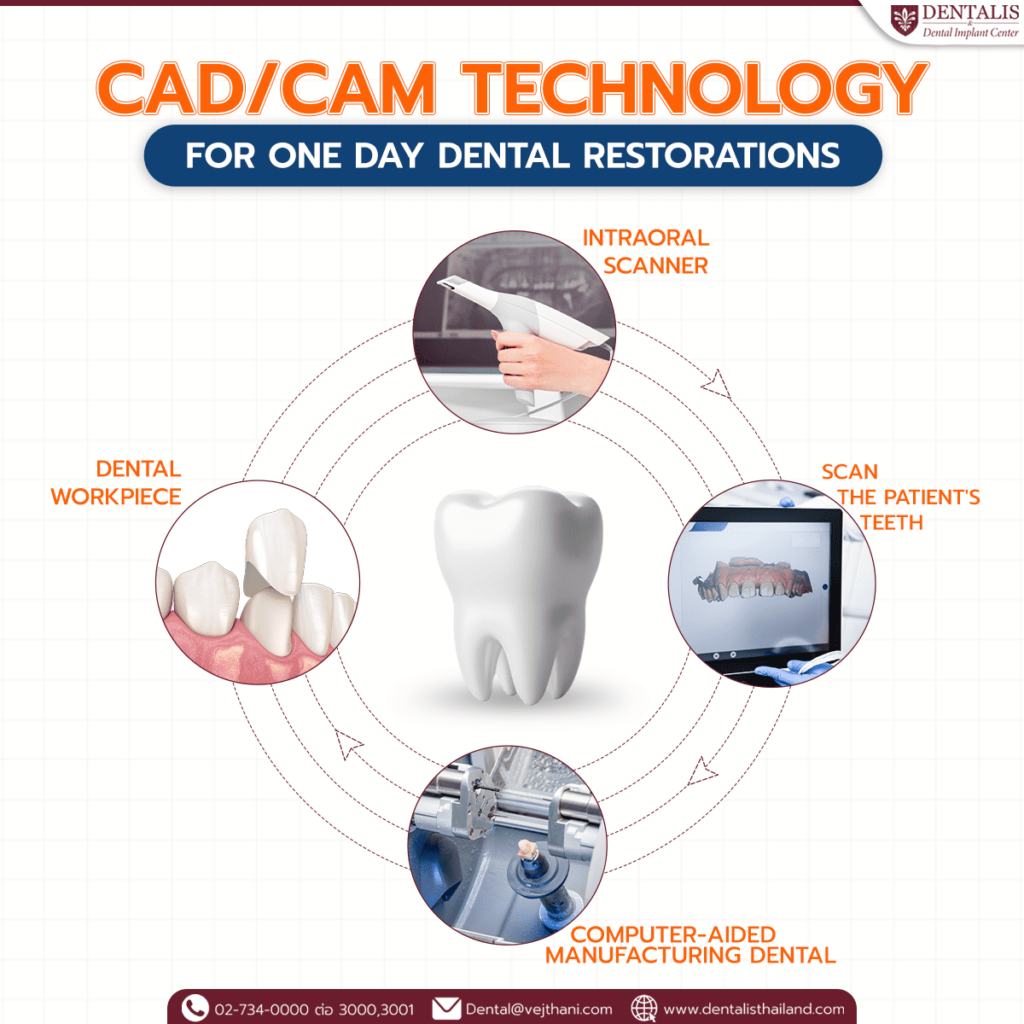
Using the CAD/CAM (computer-aided design/computer-aided manufacturing) technology can shorter the process of making dental restorations to 1-2 days which traditionally the procedure take 1-2 weeks. The traditional dental restoration process is quite complex and takes a longer time. However, the CAD/CAM technology helps shorten the process as it scans teeth and designs dental restorations with a computer. This allows a patient to see 3D visualization of the restorations before making real ones to decide whether they fit the existing teeth or not. In non complicated cases patient can wear the restorations in 1-2 days.
Dr. Peeraya Chitpattanakul Prosthodontist
For more information on cosmetic dentistry, please click
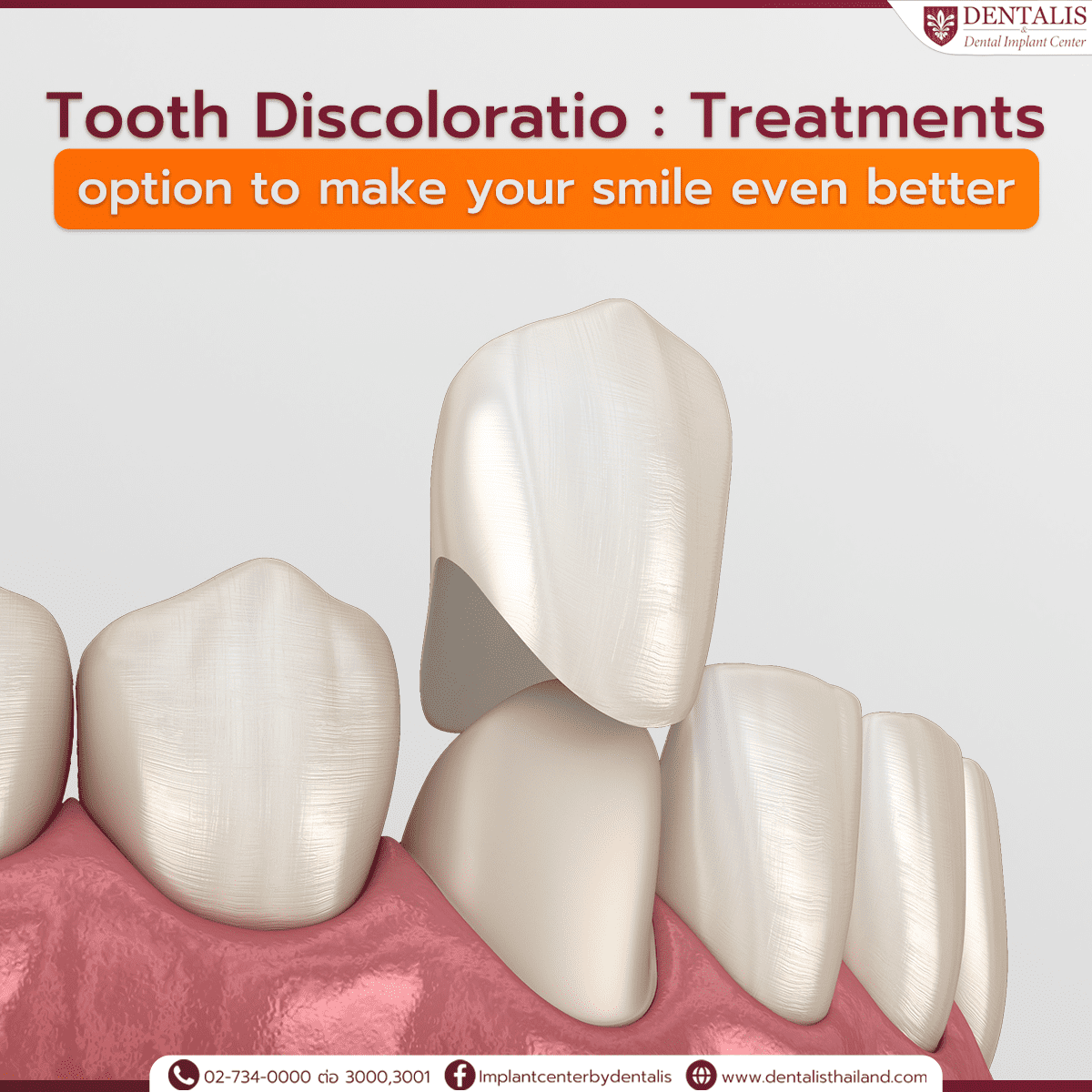
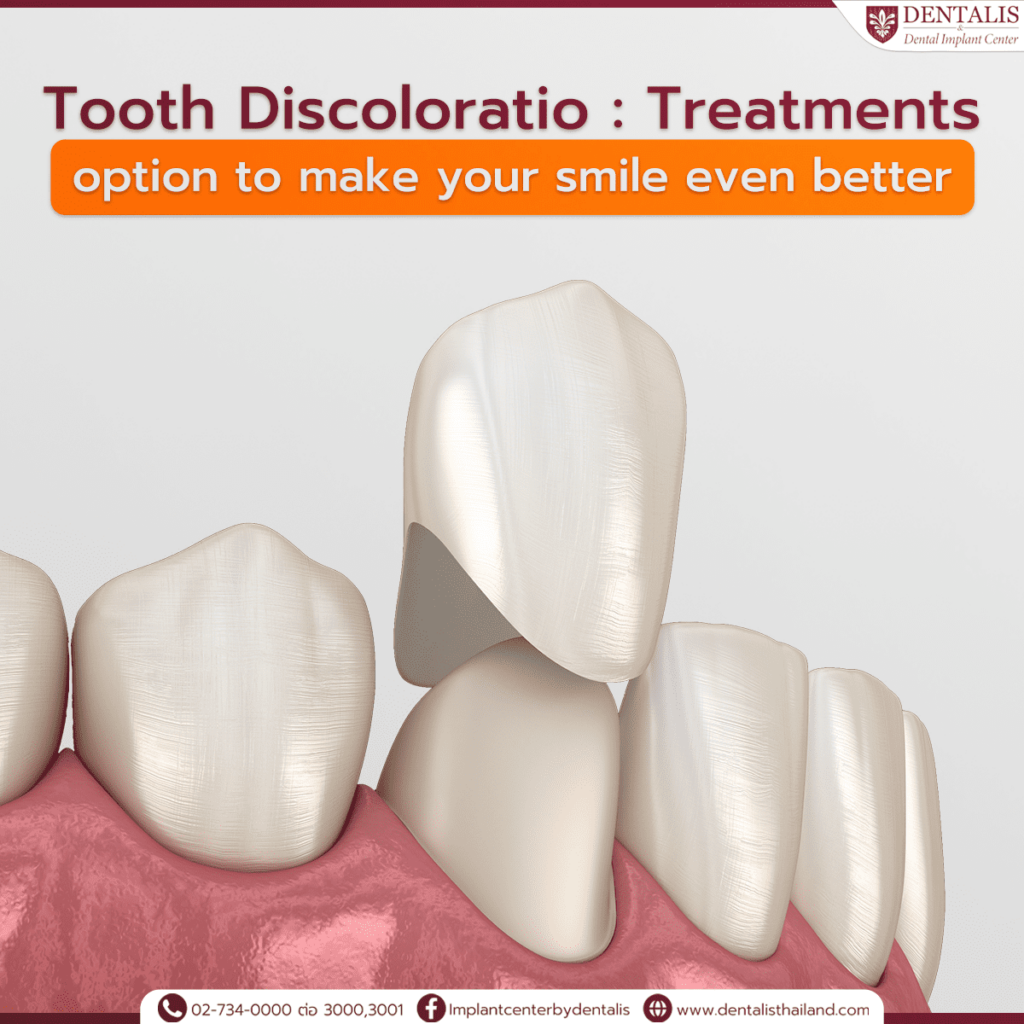
Natural teeth or dental crowns shades may get discolored overtime due to plaque buildup from food and beverages consumption such as drinking coffee may cause teeth to be yellowish and dull also cigarette smoking can leave brown stains on the teeth. The consequences of these teeth discoloration are loss confidence while smiling or talking. In the patient with crown restoration and fix prosthodontics treatment the extrinsic stain can cause the dental appearance esthetic to be unharmonized.
Teeth discoloration can be treated with these procedures:
1. If the natural teeth have a darker color compared to dental crowns, the natural teeth will be bleached to change their color to be similar to the dental crowns. Dental bleaching can be done in many ways, such as:
Zoom Whitening: Bleaching gels act as catalysts with the help of LED lights emitted from the Zoom equipment to make the tooth surface look brighter. The bleaching process takes around 15 minutes. Then the bleaching gels are changed 3-4 times or more or less depending on the patient’s tooth sensitivity. If the patient starts to feel tooth sensitivity, the procedure may be stopped right away.
Home Bleaching: This tooth whitening procedure is carried out by oneself at home. Whitening gel is placed into a tray, whose shape is similar to the patient’s tooth shape. As an individualized
tool, the tray is then inserted into the mouth and the patient is required to slightly tap the tray. The period of wear is 6-8 hours. Home bleaching is a good alternative as it can be done by yourself at home.
2. Change dental crowns to be the same color as existing natural teeth
In case the dental crowns have a darker color compared to the natural teeth the crowns can be changed. The new crown should have the color that is the closet to the natural teeth.
However, if the color of the natural teeth is darker than the crowns, the natural teeth may be bleached and then the dental crowns will be replaced by new ones whose color is close to the bleached teeth.
There are various alternatives available for the bleaching of natural teeth or dental crowns. The best treatment method will be different in each person depending on the individual needs. To receive the most precise treatment that yields impressive results patients are recommended to see a dental specialist at Dentalis & Dental Implant Center.
Dr. Somsak Sukjaruwan Cosmetic dentist
For more information on cosmetic dentistry, please click
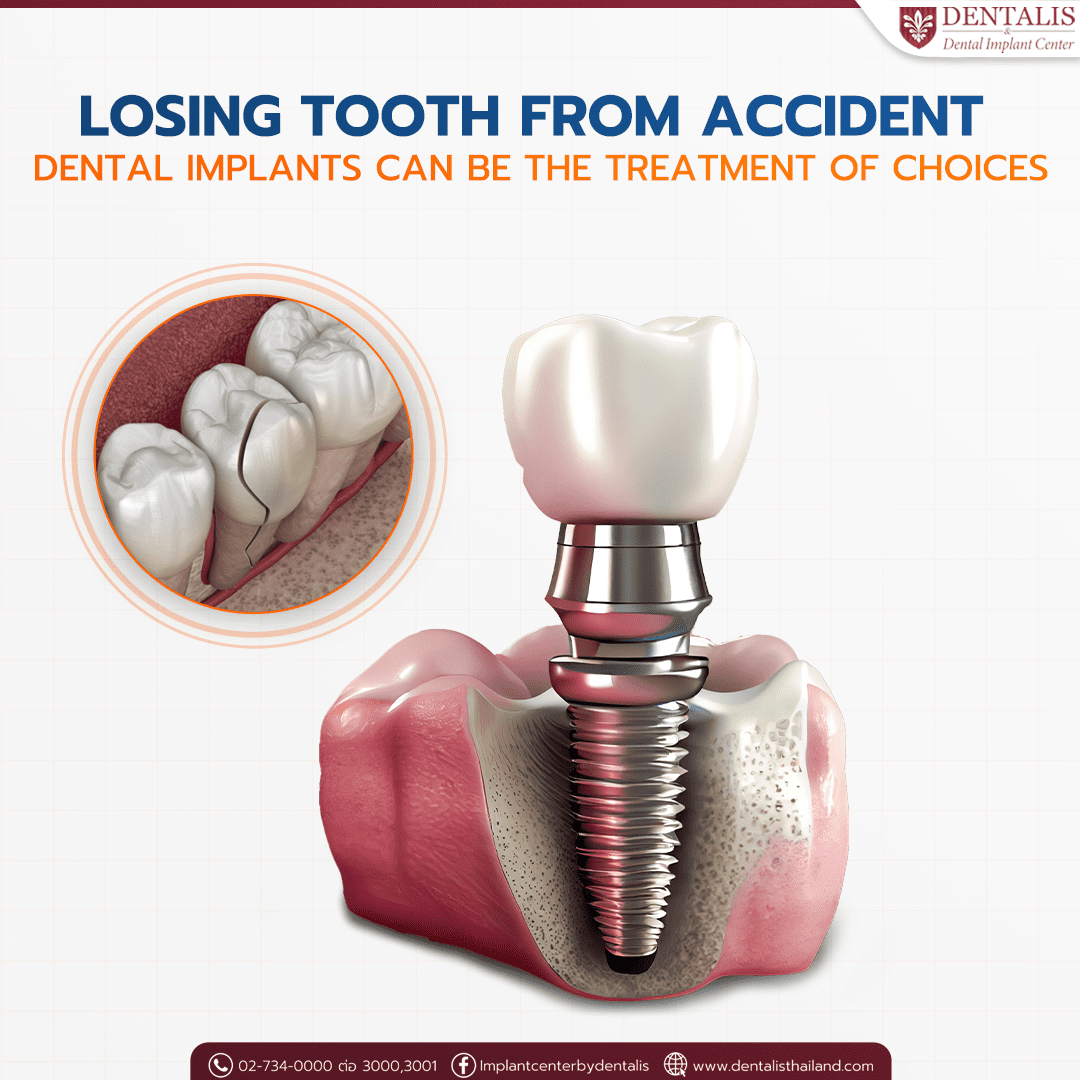
Accidents can happen at any time and anywhere. Accident are one of the factors that can lead to tooth loss. These accidents include falling and bumping against a hard surface. If a tooth is chipped, split or cracked in half which in some case it can be hard to clean due to the pain and also reduced the ability of mastication.
In case a tooth has been lost due to an accident seeing a dentist right away is recommended. As there are many procedures available to treat and restore an injured tooth, the dentist will decide what is the best treatment plan by looking at the patient’s demands and the condition of the remaining teeth. However, in case that the injured tooth needs to be removed replacing it with a dental implant is a good choice.
In the case that the tooth is severely damaged and impossible to chew food as normal the treatment will require expertise of an oral and maxillofacial surgeon or a dental implant specialist to make a treatment plan.
Before the treatment the dental specialist will perform dental radiograph to see the detail of patient’s injured tooth which will allow the specialist to make more precise treatment plan. Then the dentist will conduct an assessment of the tooth. If the tooth is impossible to be restored the dentist will remove it.
After the tooth is removed the dentist will evaluate the alveolar bone. If the bone is enough and present with no inflammation a dental implant can be proceed to replace the missing tooth.
Dr. Sukolrat Wattanapirom Dental implant specialist
For more information on implant dentistry, please click
When it comes to dental cleaning many people familiar with dental scaling which is done to remove plaque deposition on a enamel and surrounding soft tissue.
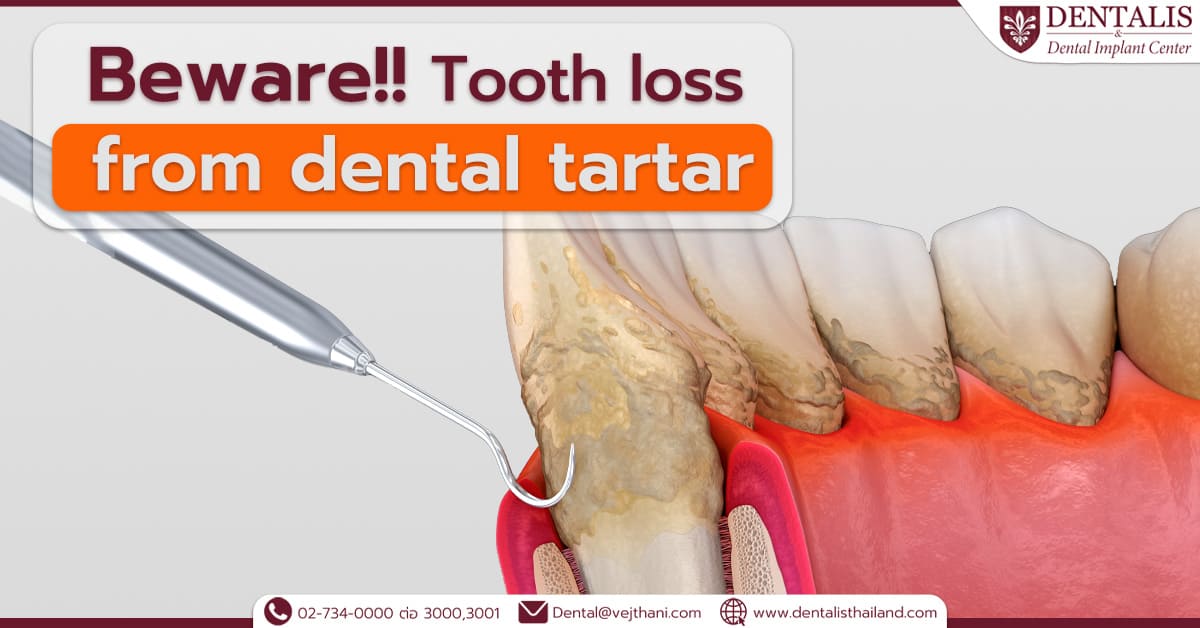
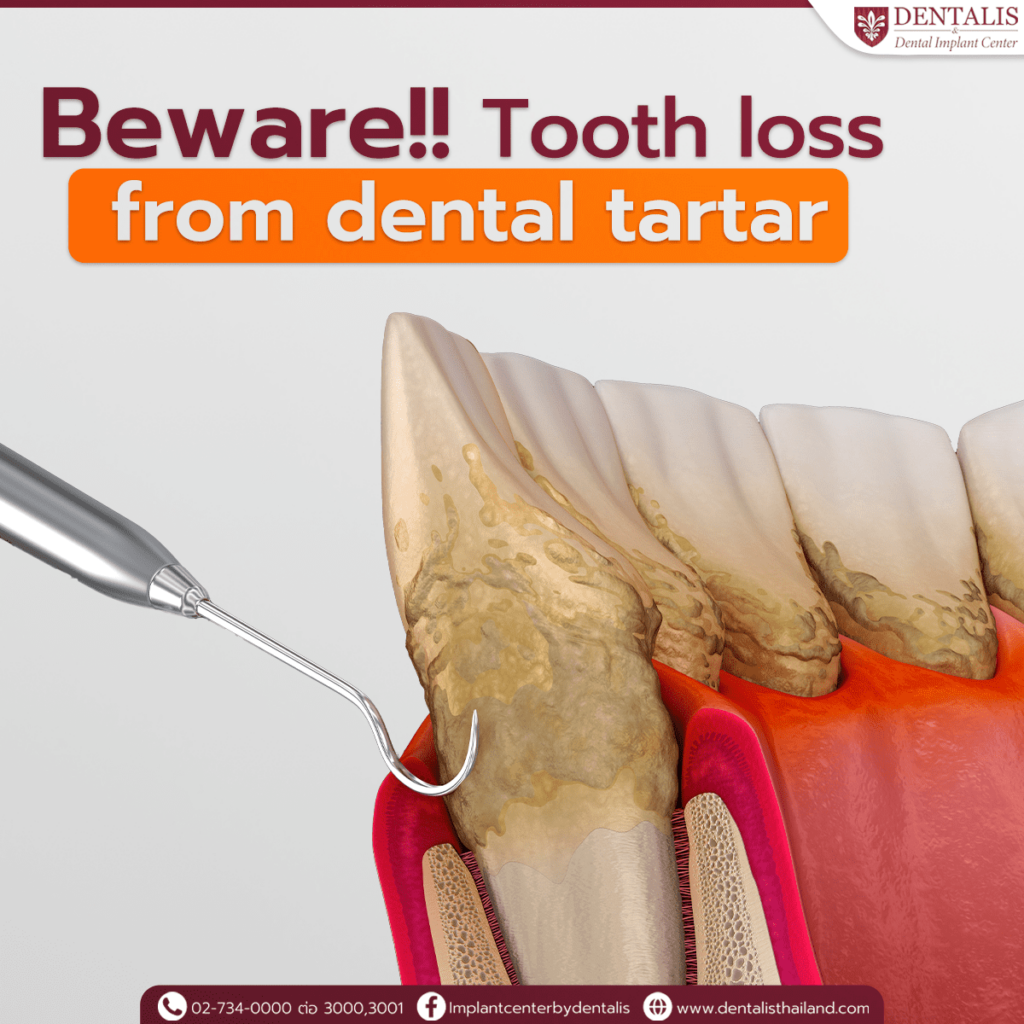
Scaling and root planing can eliminate calculus deposition on tooth roots and deep surface underneath the gingiva which will help to prevent gum and periodontal disease. Chronic periodontitis can be the causes of tooth loss.
Benefits of root planing are as followed;
Keeping the oral cavity clean
Healthy teeth
Reduce bad breath
Lowering the risk of gum disease
Gums become tender and fit perfectly around tooth
Keeping the gums healthy
Dr. Phanthapha Khunthananithi Periodontist
For more information on periodontics, please click For more information on general dentistry, please click
We use cookies to manage your personal information in order to provide you with the best personalized user experience on our website. If you continue using the website, we assume that you accept all cookies on the website. Find out more.
 Thai
Thai English

Chat with us
Call Us