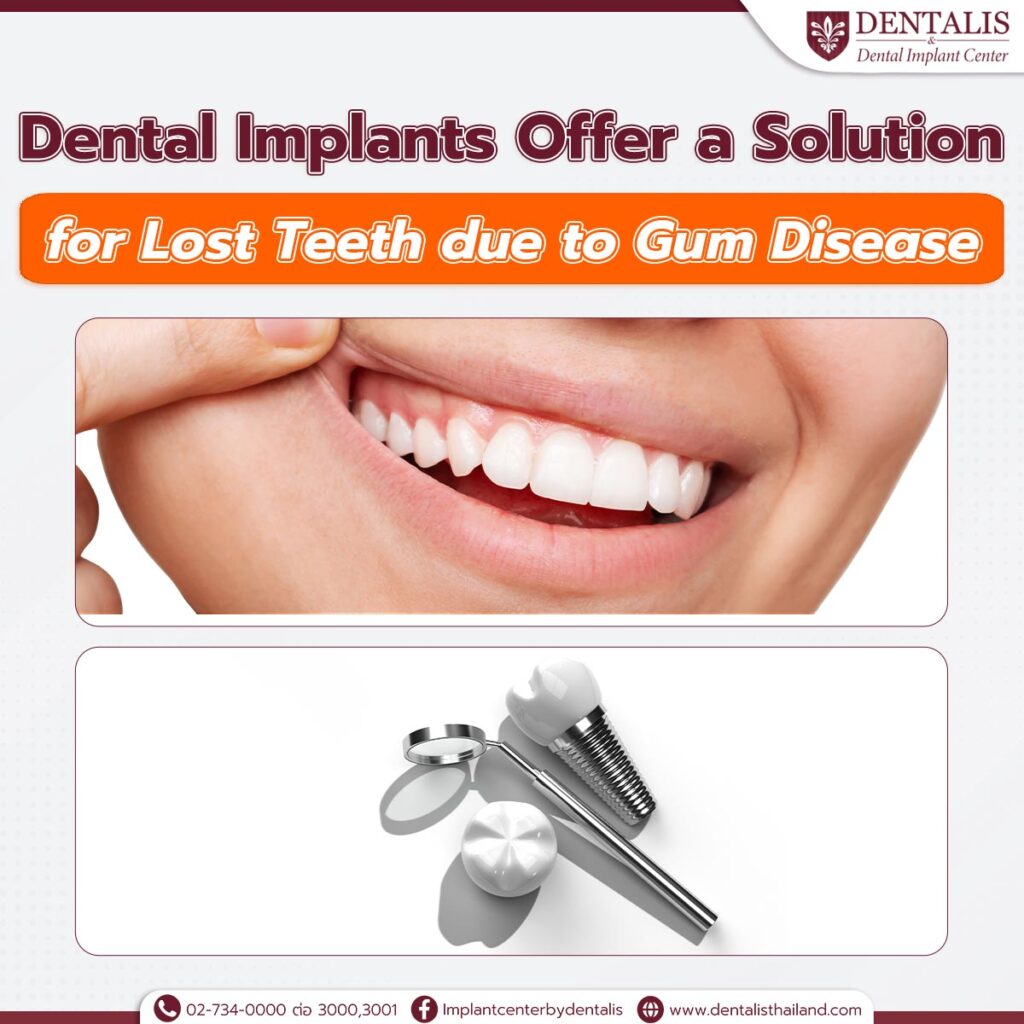
Gum disease is caused by inflamed gums. Although in the initial stage the disease tends to cause only slight pain, it should not be left untreated as the disease may spread and finally lead to tooth loss. The gum inflammation is caused by plaque buildup. Patients who have gum disease and need to have teeth removed can stay worry-free as now there is one dental innovation that allows their lost teeth to be completely replaced. That innovation is dental implants, which resemble natural teeth. Dental implants are made from titanium which is biocompatible with the human body. For patients who have lost teeth due to gum disease, after the gum inflammation has been treated and put under control, dental implants are one choice of treatment that most dentists recommend to replace the lost teeth.
Dr. Yodmongkol Sriarunothai Dentist specializing in oral surgery
For more information on dental implants, gum disease
When a natural dental root is lost, it can be replaced with a dental implant. Dental implants are becoming a popular alternative to traditional, removable bridges and dentures.
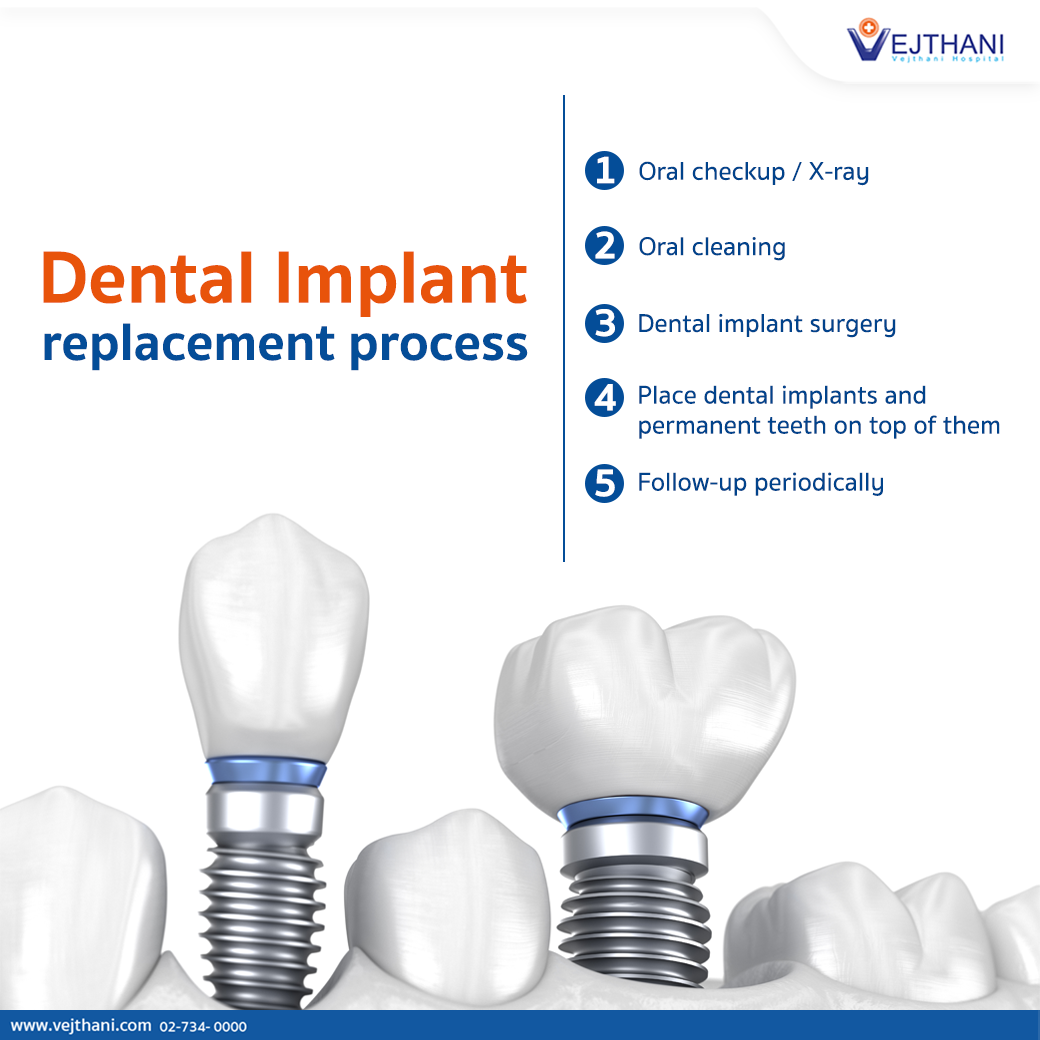
Dental Implant replacement process
Oral checkup / X-ray to plan the proper treatment
Oral cleaning to prepare for dental implant surgery
Dental implant surgery by making a hole in the bone where the implant will be placed. The implant will be placed into the hole, and the incision is stitched closed.
After dental implants are placed and the jawbone has healed, permanent teeth can be built on top of them. For example, a crown or bridge.
Follow-up periodically
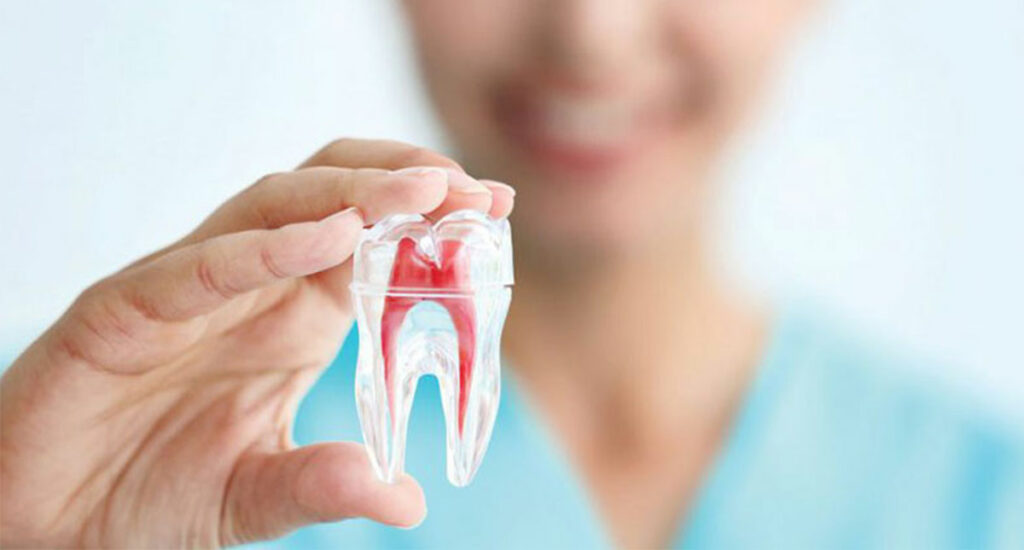
A dental implant is like an artificial tooth root that takes over the function of a real root.
Please note that some patients might need jawbone surgery before undergoing dental implant replacement.
DIGITAL DENTISTRY: A MORE PRECISE & LESS INVASIVE IMPLANT PLACEMENT PROCEDURE
Dental Implant is an excellent way to replace a missing tooth. This technique became a widespread and acceptable treatment modality and can provide a beautiful, natural-looking appearance. This procedure is safe; however, it requires fusing the implants into the jaw through oral surgery which can damage nearby vital structures.
Fortunately, the use of digital dentistry instead of the traditional technique enables the dentist to know the exact location of vital structures including nerves, teeth roots, bone and sinuses. This can reduce the risk of unexpected complications during surgery as well as allowing the dentist to know exactly where the implant should be placed.
The Role of Digital Dentistry in Implant Surgery
Nowadays, we are very lucky that the digital age of dentistry has brought more innovative dental techniques. Furthermore, dental implant placement is more efficient with The Computer-Guided Implant Surgery which was designed to be more precise and less invasive.
The Computer-Guided Implant Surgery is a great advancement in dental implant surgery and treatment planning. This system gathers accurate information about the anatomy of the jaw in 3D presentation. The dentist is able to locate and identify important internal structures through in 3D as well as gather information about bone quality and quantity. The detailed scan images of the oral structures can be used to explain the dental implant procedure to patient and allow the dentist to make a precise treatment plan and create a more accurate dental implant placement.
Moreover, studies found that an error of The Computer-Guided Implant Surgery can occur averagely 0.7-1 mm which is a very rare error compared to conventional method of implantation. This process provides greater patient satisfaction, health, and recovery; and it helps to simplify the treatment process.
Computer-Guided Implant Surgery: How the Process Works?
The dentist evaluates the site for dental implant placement.
Create a 3D digital scan of the patient’s oral structure using Intraoral Scanner.
Then the 3D scanned images will be used for planning implant placement.
With computer-guidance, the dentist can determine the very best placement for the implant.
Advantages of Computer-Guided Implant Surgery
Prevent critical vital structures injuries.
The time required for implant surgery can be substantially reduced.
Increase the accuracy of implant placement.
Creates a good understanding of the treatment plan between dentist and patient. However, the success of implant surgery and placement will not be achieved by the computer program alone, but it is important to be performed by an experienced dentist for best results.
Are elderly good candidates for dental implants? Yes. Dental implants are equally effective in older people. The fact is no age is too old for dental implants. A healthy elderly persons can safely have dental implants and improve their quality of life.
Dental implants dramatically improve life quality for many older individuals by letting them eat better, get better nutrition, stay more social, and lead active and vital lifestyles.
One Day Dental Implants
Thanks to modern technology, the CAD/CAM Technology makes it possible for you to replace your missing teeth in one day. The process of CAD/CAM technology in dental implants begin with 3D X-Ray. After that, the dentist will take a digital impression by Intra-oral Scanning. They can design the restorations on a computer screen and send the data to a milling chamber. Then carved the actual restoration out of a material block and apply it to the damaged tooth. All of the processes can now be done in 2-3 hours or finished in one single visit.
The Advantages of CAD/CAM Technology in dental implants
Accuracy of 3D Intra-oral Digital Scanning.
Reduce the time spent, all process can be done in one day.
The benefits of dental implants in the elderly
look and perform almost like natural teeth
improve ability to eat the foods
easy to clean as natural teeth
speak clearly and distinctly
less irritation than traditional dentures
How to care for dental implants
Dental implants require the same care as real teeth, including brushing, flossing, rinsing with an antibacterial mouthwash, and regular dental check-ups.
Doctor
DR. KITTISAK BENJASIRIPORN Specialty: Prosthodontics & Laser Prosthodontics & Laser
We use cookies to manage your personal information in order to provide you with the best personalized user experience on our website. If you continue using the website, we assume that you accept all cookies on the website. Find out more.
 Thai
Thai English




Chat with us
Call Us